By
We might have all been there. You get a heavy, frustrating, quietly miserable feeling where your body is stubbornly holding on to what it is supposed to let go.
The thing about constipation is that it does not just feel like missing a trip to the bathroom. Instead, it is an all-over sensory annoyance.
It feels like a dull and persistent tightness or pressure, which exists deep in your lower abdomen.
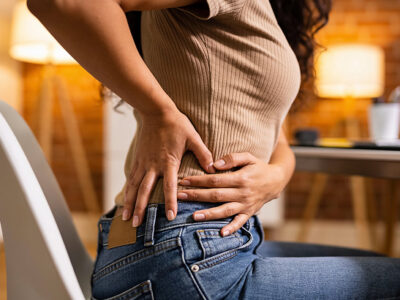
Now, some people tend to discover the link at the worst moment. That is a dull ache that starts to settle into the lower back, nothing they stretch or rest seem to help.
Only later do they get this realization that they have not had a proper bowel movement in four days.
So, can constipation cause back pain?
Actually, the answer would be, yes it can, where it happens more often than most people expect.
Usually, the pain comes from pressure, trapped gas, and strained muscles instead of the spine itself.
However, back pain with constipation can also be a coincidence or sometimes even a sign of a different problem.
So, this guide will explain how the two connect, what the pain feels like, how to tell it from other causes, and how to get relief safely.
Why The Bowel And The Back Are Closer Than You Think
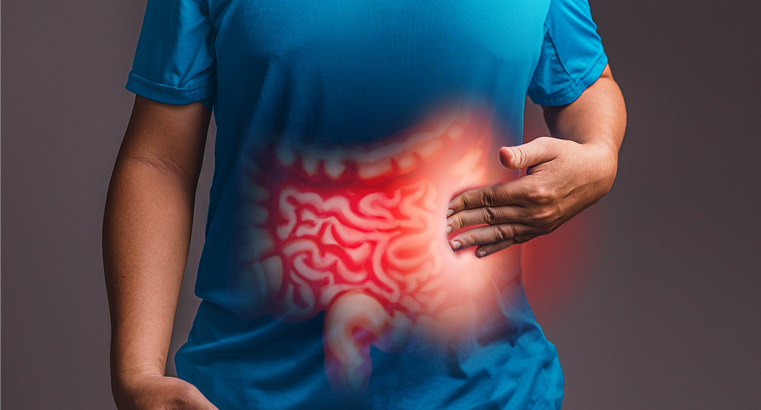
The lower part of your digestive tract sits right in front of your lower spine.
The sigmoid colon and rectum rest against the sacrum, the triangular bone at the base of your back. Moreover, they share nerve pathways with the muscles and skin of that area.
So, when stool builds up and the bowel stretches, the body can have trouble telling exactly where the discomfort is coming from.
Three mechanisms explain most cases.
Pressure From Stool And Gas
A bowel that is loaded with hard stool and gas takes up more space and presses on nearby tissue, including the nerves and muscles at the lower back and pelvis.
The stretched bowel wall also sends pain signals, which is the same reason a gallbladder problem can ache under the shoulder blade.
Straining And Muscle Tension
When you push hard on the toilet, it tends to tighten the abdominal, pelvic floor, and back muscles, all at once.
So, when there is repeated straining over several days, it can leave those muscles sore. In the same way, heavy workouts tend to have the same effect.
People often notice the ache right after a difficult bowel movement, and it may last into the next day.
Posture And Guarding
When you feel bloated and uncomfortable, you usually tend to hunch, sit stiffly, or move less.
In addition, sitting for long stretches with a full bowel can also stiffen the lower back. As a result, you experience a second layer of pain on top of the first.
Can Constipation Cause Back Pain? What It Feels Like
Back pain that is associated with constipation is known to have a recognizable character. However, it tends to overlap with other conditions.
That is usually a dull and heavy ache instead of a sharp stab. Oftentimes, it comes with a sense of fullness or bloating in the lower abdomen.
Most of the people feel it in the lower back or just above the tailbone.
So, understanding the typical pattern helps you decide whether constipation is the likely cause.
Where You May Feel It
Usually, the pain is in the following locations:
- Lower back
- On one or both sides
- Low in the center near the tailbone
Since the sigmoid colon sits on the left, many people feel it more on the left side. Usually, some also feel it in the buttocks, the pelvis, or the lower abdomen.
Occasionally, this pain also occurs in the upper thigh.
Features That Point To The Bowel
These clues make constipation a more likely cause than a spinal or muscle problem.
| Clue | Why It Suggests Constipation |
| Fewer than three bowel movements a week | Backed-up stool is the likely source of pressure |
| Hard, dry, or lumpy stools | Signs of stool that has sat in the colon for a while |
| Bloating, gas, or a full belly | Trapped gas stretches the bowel |
| Pain that eases after a bowel movement | Pressure is released |
| Pain that comes and goes with cramping | Bowel contractions rather than muscle strain |
| No pain with bending, twisting, or lifting | Movement doesn’t change it, unlike a pulled muscle |
Other Causes Of Back Pain With Constipation
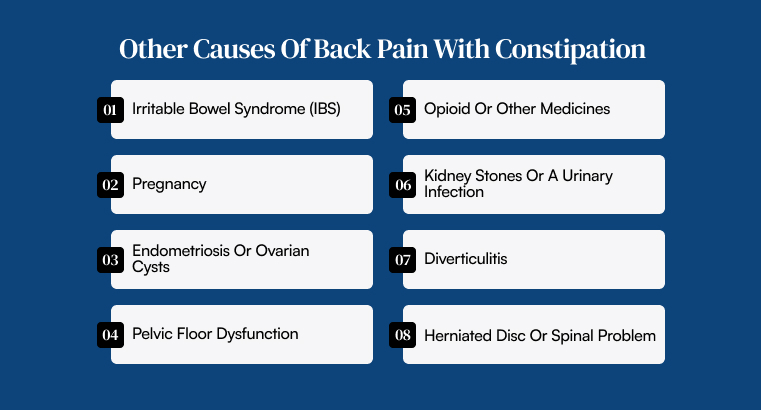
Sometimes the two symptoms appear together without one causing the other.
A single underlying problem may cause both. Or, constipation may tend to be a side effect of something else.
It is very important to rule these out. That is especially if the pain is severe or does not improve after a bowel movement.
Below, the table shows common possibilities.
| Possible Cause | How It Links To Both Symptoms | Other Clues |
| Irritable bowel syndrome (IBS) | Cramping and constipation, with referred back pain | Pain eased by passing stool, alternating diarrhea |
| Pregnancy | Hormones and the growing uterus slow the bowel and strain the back | Missed period, nausea |
| Endometriosis or ovarian cysts | Pelvic inflammation causes both back pain and bowel changes | Painful periods, pain during sex |
| Pelvic floor dysfunction | Muscles don’t relax properly during a bowel movement | Feeling of incomplete emptying, straining |
| Opioid or other medicines | Opioids, iron, and some antidepressants cause constipation | Started a new medicine recently |
| Kidney stones or a urinary infection | Flank pain with nausea, and sometimes constipation from pain medicine | Blood in urine, fever, burning |
| Diverticulitis | Inflamed pouches in the colon | Left-sided pain, fever |
| Herniated disc or spinal problem | Nerve pressure can affect the bowel | Leg pain or numbness, pain that worsens with movement |
Can Constipation Cause Back Pain During Pregnancy?
Actually, this is quite common to experience.
The thing is, progesterone relaxes the gut muscles while slowing down digestion. Moreover, consumption of iron supplements makes stools harder.
At the same time, the growing uterus shifts the center of gravity, while straining the lower back.
Try to increase fluids, fiber, and gentle movement, and speak to your doctor or midwife before using any laxative or supplement.
Constipation In Older Adults And Children
Older adults are more prone to constipation. This is because of slower digestion, less activity, and more medicines.
In addition, they are also more likely to have a spinal cause for back pain.
Children can develop severe constipation with stool holding, which sometimes causes back and belly pain. In both groups, ongoing symptoms deserve a check.
How To Relieve Back Pain Caused By Constipation
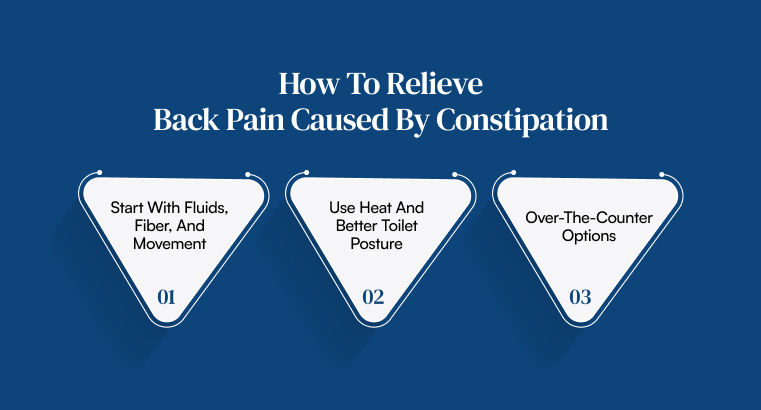
The most effective way to treat constipation-related back pain is to first treat your constipation.
Once your bowel is emptied, the pressure and the referred pain usually fade within hours to a day.
The steps below start with gentle options and move to stronger ones only if needed.
Start With Fluids, Fiber, And Movement
Drink water throughout the day, and add fiber from fruit, vegetables, oats, beans, and whole grains.
Moreover, prunes, pears, and kiwi are good choices because they soften stool.
Gradually increase fiber, since a sudden jump can add gas and make the bloating worse.
A 15- to 20-minute walk helps the gut move, and gentle stretches such as knee-to-chest or child’s pose can ease both gas and back tension.
Use Heat And Better Toilet Posture
Another tip you can follow is to use a heating pad. Additionally, you may use a warm bath to relax tight back and pelvic muscles. This helps in easing your cramps.
On the toilet, rest your feet on a small stool. In this way, your knees are above your hips. Now, proceed to lean forward slightly and breathe out as you push gently.
In this position, you will be able to straighten the rectum while reducing the need to strain.
However, do not sit and push for more than a few minutes.
Over-The-Counter Options
If food and fluids are not enough, there are several options that work at different speeds.
| Type | Examples | How It Works | Typical Timing | Notes |
| Bulk-forming | Psyllium (Metamucil) | Adds soft bulk | 1 to 3 days | Needs plenty of water |
| Osmotic | Polyethylene glycol (Miralax), magnesium citrate | Draws water into the bowel | Hours to 2 days | First choice for many people |
| Stool softener | Docusate | Moistens stool | 1 to 3 days | Mild effect |
| Stimulant | Bisacodyl, senna | Triggers bowel contractions | 6 to 12 hours | Short-term use only |
| Suppository or enema | Glycerin, saline enema | Acts directly in the rectum | Minutes to an hour | For stubborn, low stool |
There are certain things you need to follow, which are actually non-negotiable.
First of all, avoid the usage of stimulant laxatives for more than a week or two without any advice.
Moreover, talk to your doctor before using magnesium products if you have kidney disease.
For the back pain itself, a short course of acetaminophen is usually reasonable.
In addition, try to avoid opioid painkillers, which make constipation worse.
Prevention Of The Cycle From Repeating
Once you have had this experience, prevention is worth the effort.
The goal is a soft stool every day or two with little straining. Moreover, these habits do most of the work.
| Habit / Strategy | Actionable Step | Why It Helps |
| Increase Fiber | Aim for 25 to 38 grams of fiber a day (depending on age and sex) and increase it slowly. | Adds bulk to the stool and speeds its passage through the intestines. |
| Stay Hydrated | Drink enough fluid so that your urine is pale yellow. | Keeps stool soft and prevents the fiber from causing blockages. |
| Stay Active | Move daily through walking, swimming, or yoga. | Stimulates the natural contractions of the muscle walls in your intestines. |
| Respond to Urges | Go when you feel the urge; do not hold it in. | Delaying bowel movements allows the colon to absorb more water, making stool drier and harder. |
| Establish Routine | Try sitting on the toilet for a few minutes after breakfast. | Takes advantage of the natural increase in gut activity that happens after eating. |
| Check Medications | Review your medicines with a pharmacist if symptoms began after a new prescription. | Identifies if a specific drug or supplement is the underlying cause of the issue. |
| Adjust Diet | Limit very low-fiber, highly processed foods like white bread and fast food. | Prevents sluggish digestion caused by foods lacking natural bulk. |
When It Might Be A Fecal Impaction
You may be facing something known as a fecal impaction, where your constipation has progressed into a severe blockage. This is actually caused by a large, hard mass of stool stuck in the rectum or colon.
So, watch for warning signs beyond typical difficulty having a bowel movement.
The trademark sign of fecal impaction is the paradoxical “overflow” diarrhea, where it may seem contradictory. However, sudden episodes of watery, liquid, or mushy stool leaking around the blockage are a classic red flag.
New liquid waste builds up behind the hard mass and seeps past it out of the rectum.
But do seek immediate medical help if you experience:
- Severe, worsening abdominal pain or rigidity
- Persistent vomiting or inability to keep fluids down
- High fever, lightheadedness, or rapid heart rate
- Heavy bleeding from the rectum
Disclaimer: The information provided in this article is for general informational purposes only. It does not, and is not intended to, constitute medical or health advice. Please consult a qualified healthcare professional for medical guidance or expert health assistance.
References
- Chart of high-fiber foods. (n.d.). Mayo Clinic.
- Trager, R. J., Mok, S. R., Schlick, K. J., Perez, J. A., & Dusek, J. A. (2021). Association between radicular low back pain and constipation: A retrospective cohort study using a real-world national database. Pain Reports, 6(3), e954.
- Constipation and cancer – side effects. (2025, May 16). Cancer.gov.
- Chai, C. (2026, September 28). The surprising link between constipation and back pain. EverydayHealth.com.
- Diaz, S., Bittar, K., Hashmi, M. F., & Mendez, M. D. (2023, November 12). Constipation. StatPearls – NCBI Bookshelf.
- Symptoms & Causes of Constipation. (2026, March 18). National Institute of Diabetes and Digestive and Kidney Diseases.
- Forootan, M., Bagheri, N., & Darvishi, M. (2018). Chronic constipation: A review of literature. Medicine, 97(20), e10631. PubMed Central.
What is your reaction?