By
Ever woken up with a bruise the next morning after a big night out and wondered where it came from?
Alcohol affects your blood, but not in the way the term “blood thinner” implies. So, is alcohol a blood thinner?
Not in a medical way, but it does alter the function of your platelets and liver, which can impact bleeding.
The effect will vary with the amount of fluid consumed and certain medications.
Therefore, this guide will explain the effects of alcohol on clotting, the risks involved and when to take precautions.
What Doctors Mean by “Blood Thinner”
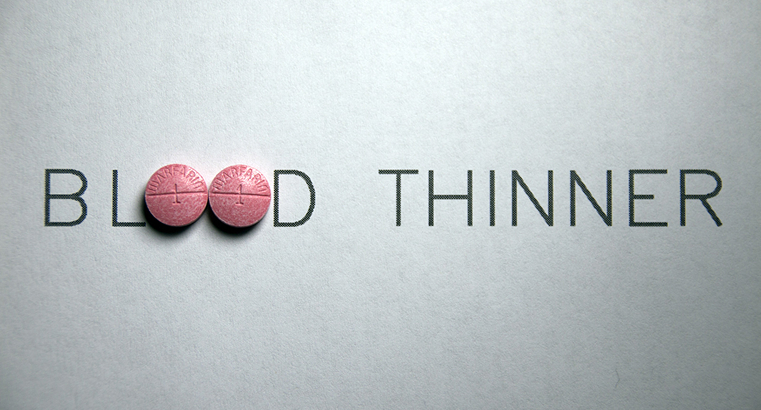
It is not a medical term; it is a common word. Your blood doesn’t actually get thinner.
Rather, some medications make blood clot less quickly, and physicians categorize these medications into two classes. Alcohol doesn’t neatly fit into either, but it does overlap with both.
Anticoagulants
These medications prevent the blood from coagulating. Common examples include warfarin, apixaban (Eliquis), and rivaroxaban (Xarelto).
Alcohol is not an anticoagulant and it does not act in the same manner as these drugs.
Antiplatelets
These prevent platelets (small blood cells that form clots to heal wounds) from sticking together. The typical drugs are aspirin and clopidogrel (Plavix).
This is where alcohol comes closest, in that it can make platelets less sticky.
How Alcohol Affects Your Blood
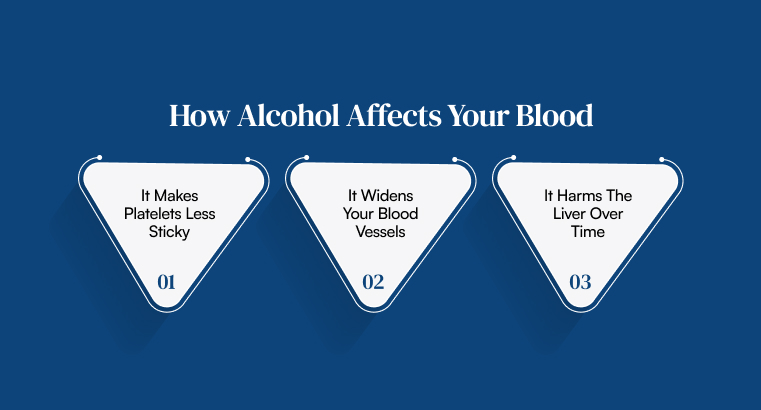
There are three ways that alcohol affects your blood. The first two are direct. The third occurs gradually, over a period of years of excessive drinking.
They tell us why alcohol is not a true blood thinner, but can increase the risk of bleeding.
It Makes Platelets Less Sticky
Alcohol has been found to have a mild antiplatelet effect. It is far less potent than aspirin and it dissipates in hours.
However, binge drinking can also reduce platelet levels, and that’s why easy bruising occurs after a binge.
It Widens Your Blood Vessels
Drinking alcohol makes your blood vessels widen. Thus, there is increased blood flow in the skin.
That’s why your face flushes after you drink. Furthermore, it can cause small bruises to appear larger, even if the blood has not changed.
It Harms The Liver Over Time
Most of your clotting factors are produced in your liver. Over the years, the liver can become scarred from years of drinking, and it will produce less of these proteins.
This means blood doesn’t clot as quickly and bleeding can be severe, particularly in the stomach and gut.
Light, Moderate, And Heavy Drinking: What Changes

It’s not only the drink that affects your blood; it’s how much. What typically occurs at each level is indicated in the table below.
The U.S. guidelines for moderate drinking are up to one drink per day for women and up to two drinks per day for men.
| Drinking level | Effect on clotting | Main bleeding risk |
| Light to moderate | Mild, short-lived drop in platelet stickiness | Low for most healthy people |
| Binge (4 to 5+ drinks in one sitting) | Lower platelet counts and function for a time | Bruising, nosebleeds, stomach bleeding |
| Heavy, long-term | Liver damage lowers clotting factors | Serious bleeding, including brain bleeds |
It’s possible you’ve heard that drinking a glass of wine every day is good for your heart because it prevents clots.
There are some older studies that suggest this, but newer studies are not as sure. Additionally, even light drinking increases the risk of bleeding stroke.
That’s why doctors don’t recommend that you begin drinking for health.
Is Alcohol A Blood Thinner When You Take Medicine?
This is different when you use a medicine that already has an effect on bleeding. Alcohol may enhance the effect or interact with the action of the drug.
For this reason, the response to “can I have a drink?” is different for a person who is taking medication. The following are the key cases.
Warfarin
Both alcohol and warfarin are metabolized in the liver and thus interact with one another.
A binge may cause your INR (clotting test) to become too high, increasing your risk of bleeding.
However, prolonged heavy drinking can cause your body to metabolize warfarin more rapidly, making it less effective.
In either case, your levels are difficult to predict.
Newer Anticoagulants
Unlike warfarin, apixaban and rivaroxaban are not as affected by diet or alcohol.
However, consumption of alcohol may increase the risk of bleeding, especially in the stomach.
The most important thing to worry about is heavy drinking, so consult your doctor about what is safe for you.
Aspirin And NSAIDs
Aspirin, ibuprofen, naproxen and alcohol irritate the lining of the stomach. Combined, they increase the risk of stomach ulcers and bleeding. So, never combine them, even in moderate quantities.
| Medicine | What Happens with Alcohol | Advice |
| Warfarin | INR can swing up or down | Keep drinking minimal and consistent; tell your clinic |
| Apixaban, rivaroxaban | Higher bleeding risk, especially in the gut | Ask your doctor before drinking |
| Aspirin, clopidogrel | More stomach irritation and bleeding | Avoid or keep very low |
| Ibuprofen, naproxen | Higher risk of stomach bleeding | Avoid mixing |
| Acetaminophen (Tylenol) | Extra strain on the liver | Stay within label limits |
Signs Alcohol Is Affecting Your Bleeding
If you notice any of these signs, it is likely that alcohol is affecting your bleeding.
An occasional drink will not be noticed by most people. But there are some indications that your blood may not coagulate properly.
Be aware of these, particularly if you drink frequently or are taking blood-thinning drugs:
- Bruises that are easy to get or for no apparent reason.
- Bleeding gums or nosebleeds that occur often
- Dark, bloody stools, may indicate stomach bleeding.
- Blood or “coffee ground” vomit
- Unusually heavy periods
- Yellowing of the skin or eyes, which is an indication of liver disease.
Staying Safe If You Choose To Drink
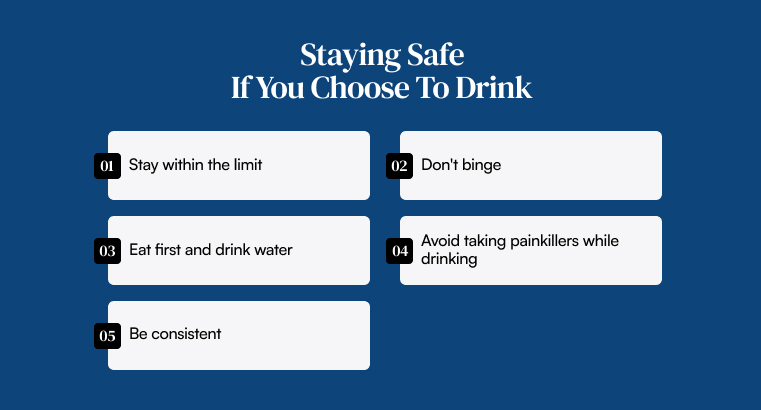
A few habits reduce the risk if your doctor says it’s OK for you to drink:
- Stay within the limit: 12 oz of beer, 5 oz of wine or 1.5 oz of spirits.
- Don’t binge: Multiple drinks in a night are more harmful than the same amount of drinks over a week.
- Eat first and drink water: Food slows down the absorption and reduces the pressure on the stomach.
- Avoid taking painkillers while drinking: particularly aspirin and ibuprofen.
- Be consistent: If you are taking warfarin, any sudden increase or decrease in fluid intake will make it more difficult to keep your INR under control.
When To See A Doctor

Do not drink while taking any blood thinner, if you have liver disease or a history of stomach ulcer or bleeding, consult your doctor or pharmacist.
If you are drinking heavily and you notice that you are bruising easily or have black stools, speak up. Seek immediate medical attention for vomiting blood, sudden and severe headache or bleeding that does not stop.
So, is alcohol a blood thinner? Not literally. However, it may affect platelets, cause liver damage, and enhance the action of true blood thinners.
Light drinking is not harmful to most healthy people, but heavy drinking and drinking while taking medications are riskier.
If you’re unsure, consult your provider about what is safe for you.
Disclaimer: The information provided in this article is for general informational purposes only. It does not, and is not intended to, constitute medical or health advice. Please consult a qualified healthcare professional for medical guidance or expert health assistance.
References
- Institute for Quality and Efficiency in Health Care (IQWiG). (2022, October 25). In brief: What are anticoagulants? InformedHealth.org – NCBI Bookshelf.
- Heart and Stroke Foundation of Canada. (2026). Antiplatelet medications. Heart and Stroke Foundation of Canada.
- Watson, S. (2018). Does alcohol thin your blood? Healthline.
What is your reaction?