By
You may be asking yourself, “Is Tylenol a blood thinner?”
Well, that would be no in simple words, Tylenol is not a blood thinner. Moreover, the active ingredient present in it is acetaminophen, which relieves pain and brings down fever.
It won’t prevent blood from clotting, though. That is why doctors often make recommendations about it to those who are taking blood thinners.
Though there are certain expectations, some similar-looking painkillers are there that affect bleeding.
So, here’s the lowdown on how Tylenol works, what it is not, and when to take it with caution.
What Tylenol Actually Does
Let’s first get a definition of what Tylenol is, in the first place.
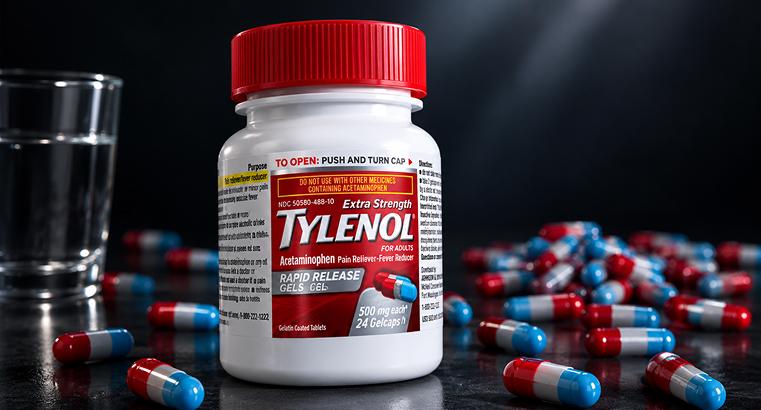
Tylenol is a brand name for acetaminophen, which is called paracetamol in many countries. Furthermore, it acts primarily in the brain and spinal cord to decrease pain signals and body temperature.
On the other hand, it doesn’t affect your platelets or the clotting protein in your blood. There are two reasons for this not being a blood thinner.
It Does Not Affect Platelets
Platelets are small blood cells that stick together to prevent bleeding. Aspirin makes platelets less sticky, which is why it is classed as a blood thinner.
In contrast, acetaminophen does not have any significant effect on platelets. So it does not increase the risk of bruising or bleeding at normal doses.
It Does Not Block Clotting Factors
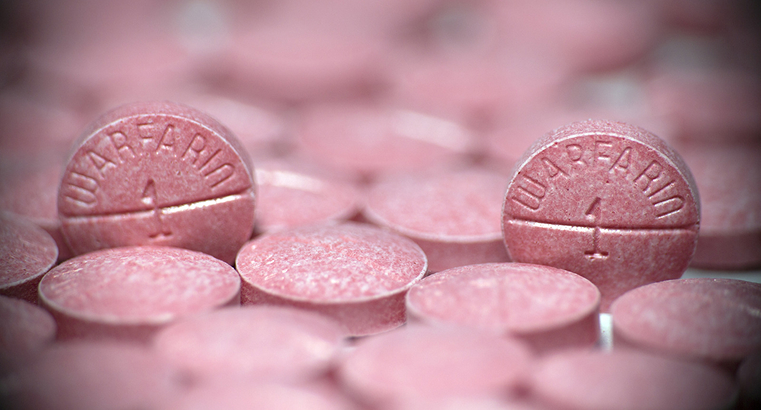
Blood thinners (such as warfarin) are medications that slow down the blood clotting factors your liver produces. However, acetaminophen does not have this effect.
That is, it does not affect the rate of blood clotting.
Blood Thinners Vs. Common Pain Relievers
The term “blood thinner” is used in everyday language rather than as a medical term.
Moreover, doctors use two main terms when it comes to describing this medicine:
- Anticoagulant, slowing clotting
- Antiplatelet, preventing platelets from clumping together
The table below indicates the location of common medicines.
| Medicine | Type | Affects Blood Clotting |
| Tylenol (acetaminophen) | Pain reliever, fever reducer | No, not at normal doses |
| Aspirin | Antiplatelet | Yes |
| Ibuprofen (Advil, Motrin) | NSAID | Mildly, and raises bleeding risk |
| Naproxen (Aleve) | NSAID | Mildly, and raises bleeding risk |
| Warfarin (Coumadin) | Anticoagulant | Yes |
| Apixaban (Eliquis), rivaroxaban (Xarelto) | Anticoagulant | Yes |
| Clopidogrel (Plavix) | Antiplatelet | Yes |
As you can see, Tylenol is not in the same class as aspirin or prescription anticoagulants.
However, ibuprofen and naproxen fall in between.
They do not actually act as a blood thinner, but they may increase the risk of bleeding, particularly if used in combination with one.
Is Tylenol a Blood Thinner? When It Can Still Matter
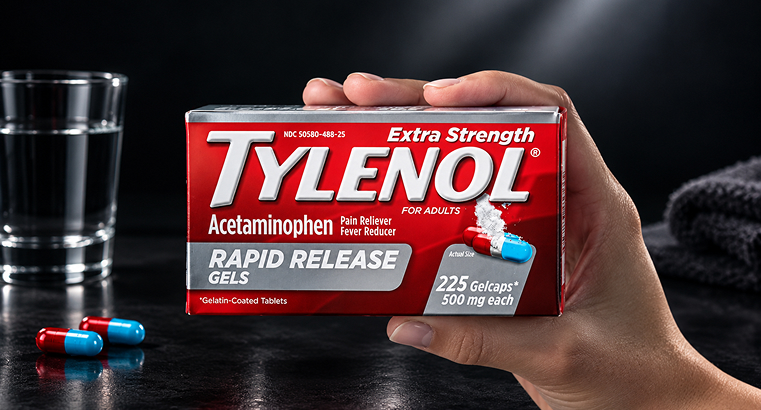
Tylenol is usually the safest over-the-counter pain reliever for those taking blood thinners.
Nevertheless, safe doesn’t mean no limits. There are a couple of instances where extra care is required, and it’s best to know these before you pick up the bottle.
Taking Warfarin
According to multiple studies, higher doses of acetaminophen (2,000 mg or more daily for several days) can increase INR in individuals taking warfarin.
In addition, INR is the blood test used to determine the time it takes for your blood to clot.
The higher the INR, the greater the risk of bleeding.
Therefore, inform your doctor or anticoagulation clinic if you are taking Tylenol regularly, and do not adjust your dose without consulting your doctor.
Overdose And Liver Damage
Most of your clotting factors are produced in your liver. So, when you take too much acetaminophen can damage the liver. This can therefore reduce the clotting power of your blood.
Aim to take the recommended dose as per the label, typically 3,000 to 4,000 mg per day for adults. This will depend on the product.
Also, avoid alcohol. This is because excessive alcohol consumption combined with acetaminophen puts extra stress on the liver.
Which Pain Reliever Is Safer On A Blood Thinner?
When using an antiplatelet or anticoagulant, the type of painkiller you use is important.
Additionally, NSAIDs and aspirin may cause stomach lining irritation. With a blood thinner on board, a small irritation can turn into real bleeding. Therefore, many physicians prescribe acetaminophen as the initial treatment.
| Situation | Better Choice | Why |
| On warfarin or a newer anticoagulant | Acetaminophen, at the lowest effective dose | Little effect on bleeding |
| Before or after surgery | Acetaminophen, unless your surgeon says otherwise | NSAIDs and aspirin can increase bleeding |
| History of stomach ulcers or GI bleeding | Acetaminophen | NSAIDs can irritate the stomach |
| Inflammation, such as a sprain | Ask your doctor | Acetaminophen does not reduce swelling |
Remember, acetaminophen does not help with inflammation. It might not be as effective if you have swelling due to an injury or arthritis; your doctor can recommend an alternative.
Hidden Ingredients To Watch For
Reading labels matters, because acetaminophen and aspirin appear in many combination products.
Some cold and flu medicines contain acetaminophen, so taking them with Tylenol can double your dose without you noticing.
On a similar note, some headache products mix acetaminophen with aspirin and caffeine, which means they do thin the blood.
Check the “active ingredients” box on every medicine you take.
Look for acetaminophen, as soon as possible, or paracetamol, and for aspirin, ibuprofen, or naproxen.
If you are unsure, a pharmacist can check your list in a minute and it costs nothing.
When To Talk To A Doctor

Ask your doctor or pharmacist before using Tylenol if any of these apply to you:
- You take warfarin, apixaban, rivaroxaban, clopidogrel, or any other blood thinner
- You need acetaminophen for more than a few days in a row
- You have liver disease or drink alcohol regularly
- You have surgery or a dental procedure coming up
- You notice unusual bruising, nosebleeds, black stools, or blood in your urine
Seek urgent care if you take more than the recommended dose.
Moreover, do so if you have signs of serious bleeding such as vomiting blood, a severe headache, or bleeding that won’t stop.
So, is Tylenol a blood thinner? No. It does not thin the blood at normal doses, and it is usually the first choice for pain when you are on a blood thinner.
Still, stay within the label limit, check your other medicines, and let your doctor know if you use it often.
Disclaimer: The information provided in this article is for general informational purposes only. It does not, and is not intended to, constitute medical or health advice. Please consult a qualified healthcare professional for medical guidance or expert health assistance.
References
- Tylenol. (2026). TYLENOL® Extra Strength caplets. Tylenol.
- MedlinePlus. (2025) Acetaminophen: MedlinePlus drug information. MedlinePlus.
- Institute for Quality and Efficiency in Health Care (IQWiG). (2022, October 25). In brief: What are anticoagulants? InformedHealth.org – NCBI Bookshelf.
- Heart and Stroke Foundation of Canada. (2026). Antiplatelet medications. Heart and Stroke Foundation of Canada.
What is your reaction?