By
Intimate hygiene may be a tricky aspect for many women.
In that case, if you experience white discharge everyday, you might find yourself asking one question very frequently.
Is it normal to have white discharge everyday?
Well, to answer that in short, yes, it is in most cases.
In fact, healthy vaginal discharge is how your body keeps the vagina clean, moist, and protected from infection.
Most people with a regular cycle notice some white or creamy discharge on most days, and the amount and texture shift with hormones.
So, if you find yourself asking this question, the whole answer is dependent on its color, smell, texture, and any other symptoms.
Thus, this guide will explain what is typical, what is not, and when to get checked.
Why Your Body Makes White Discharge Every Day

Your vagina and cervix constantly produce fluid, and this fluid carries out dead cells and bacteria.
Moreover, it keeps the vaginal pH slightly acidic, which helps good bacteria thrive.
Since there is this self-cleaning system, a little moisture each day is a sign of a healthy body, not a problem.
Two main things shape how much you see.
Cervical Mucus
The cervix makes mucus throughout your cycle. In addition, it can look white, cloudy, or creamy, and dries to a pale or yellowish tint on underwear.
This is the reason why you may see a small stain by the end of the day, even when nothing is wrong.
Estrogen And Your Cycle
Estrogen controls how thick and plentiful the mucus is. Levels rise before ovulation.
That is why discharge becomes wetter and stretchier. After ovulation, progesterone takes over. As a result, this makes discharge turn thicker and stickier.
Consequently, the same person can notice very different discharge within a single month.
What Healthy White Discharge Looks Like
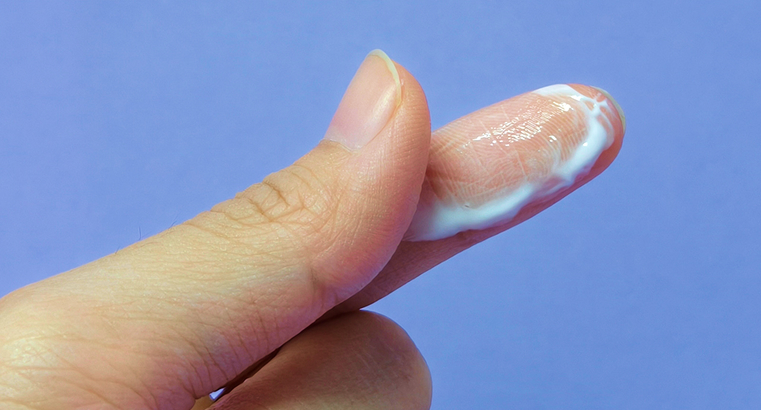
Normal discharge, sometimes known as leukorrhea, is usually white or off-white. In addition, it has no strong smell and it does not cause itching or pain.
Below is a brief guide that shows how it often changes through a typical 28-day cycle.
| Cycle phase | Typical texture | Typical amount |
| Right after your period | Dry or sticky, creamy | Very little |
| Days before ovulation | Cloudy, then slippery | Increasing |
| ovulation | Clear, stretchy, like raw egg white | Highest |
| After ovulation | Thick, creamy, white | Moderate |
| Days before your period | Thick, paste-like | Moderate, then tapering |
When White Discharge Is Not Normal
Daily discharge alone is not a red flag.
However, a change in the way it looks, smells, or feels can point to an infection.
The most common causes are easy to treat once diagnosed. So, it helps to know the signs.
Now, try to evaluate and compare your symptoms with the table below.
| Feature | Normal discharge | Yeast infection | Bacterial vaginosis |
| Color | White or off-white | White | Gray or thin white |
| Texture | Smooth or slightly sticky | Thick, clumpy, like cottage cheese | Thin and watery |
| Smell | None or mild | Usually none | Strong and fishy |
| Itching or burning | No | Yes, often intense | Sometimes |
Yeast Infection
A yeast infection happens when the fungus Candida overgrows. Moreover, the discharge is thick and clumpy, coming with itching, redness, and sometimes even pain during sex or urination.
Antibiotics, diabetes, and a weak immune system can raise your risk. In addition, treatment is usually an antifungal cream or tablet.
Bacterial Vaginosis And Other Infections
Bacterial vaginosis (BV) occurs when the balance of vaginal bacteria shifts. Here, the main clue is a fishy smell, especially after sex.
Some sexually transmitted infections, such as trichomoniasis, can also change discharge.
For that reason, a test is the only reliable way to know which one you have.
Is It Normal To Have White Discharge Everyday In Other Situations?
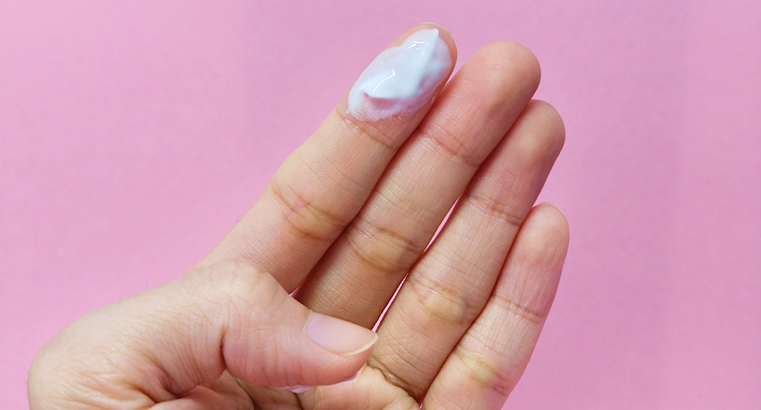
Certain life stages and medicines change your discharge patterns, and they can make daily white discharge more noticeable.
In most of these cases, the change is expected. Still, it is worth knowing what is behind it.
During Pregnancy
When you are pregnant, it raises estrogen while increasing blood flow to the pelvic area.
Consequently, thin, milky, mild-smelling discharge is common from the early weeks onward and often increases toward the due date. In addition, it is normal to have white discharge everyday while pregnant.
However, green, yellow, or foul-smelling discharge needs a check. Clear, watery fluid that keeps leaking could be amniotic fluid. Thus, call your doctor if that happens.
With Birth Control And Hormonal Changes
Hormonal birth control, including pills, patches, and implants, can change the amount of discharge.
Some people notice more, while others notice less. In a similar manner, breastfeeding, perimenopause, and stress can shift your hormone levels and alter your discharge.
These changes are usually harmless if there is no odor, itching, or discomfort.
Simple Ways To Manage Daily Discharge

You do not need to treat normal discharge. However, a few habits keep you comfortable and protect your vaginal balance.
Wear Breathable Underwear
First of all, try to wear underwear that lets you breathe down there. This is because cotton lets moisture escape.
On the other hand, synthetic fabrics trap heat and dampness.
Change Out Of Wet Clothes
If you are in wet clothes, change out of them immediately. Sweaty gym wear and wet swimsuits encourage yeast growth.
Skip Douching And Scented Products
One thing that people generally misunderstand is to use heavily scented products to clean their vagina.
However, here is the thing. Your vagina cleans itself, and harsh products upset the natural pH.
Wash the outside with warm water and mild, unscented soap.
Use Panty Liners Sparingly
They are fine for a few days. However, wearing them all the time can cause irritation. So, change them every few hours.
Wipe From Front To Back
When you wipe from front to back, this keeps bacteria from the anus away from the vagina.
When To Consult A Doctor
In conclusion, book an appointment if your discharge changes in a sudden manner. Also, do it if it does not feel right to you.
In addition, do not try to self-treat repeatedly without a diagnosis, since the symptoms of different infections overlap.
Thus, see a doctor if you can see the following:
- Discharge that turns yellow, green, gray, or brown
- A strong or fishy smell
- Itching, burning, redness, or swelling around the vulva
- Pain during sex or while peeing
- Bleeding between periods or after sex
- Pelvic pain or fever along with discharge
So, is it normal to have white discharge everyday? Usually, yes, as long as it stays mild, white, and comfortable.
Notice what is normal for you and speak to a healthcare provider when something changes.
Disclaimer: The information provided in this article is for general informational purposes only. It does not, and is not intended to, constitute medical or health advice. Please consult a qualified healthcare professional for medical guidance or expert health assistance.
References
- Cleveland Clinic. (2026). Vaginal discharge. Cleveland Clinic.
- Kumar, M. & Singh, S. (2025). White discharge: A review. International Journal of Clinical Obstetrics and Gynaecology 2025; 9(1): 181-184. Gynaecology Journal.
- Nationwide Children’s Hospital. (2026). Vaginal discharge. Nationwide Children’s Hospital.
What is your reaction?