By
Dealing with the exhausting weight of chronic anxiety, sleepless nights, or the relentless discomfort of severe allergies can be quite burdensome.
When you are doing so, finding a moment of true relaxation is all you want.
In any of these cases, you may have been prescribed hydroxyzine, which is a first-generation prescription antihistamine
So, it would be completely natural to wonder one thing. Can you take hydroxyzine with alcohol just to unwind, attend a social gathering, or finally get a good night’s rest?
Moreover, it can feel very frustrating to navigate strict medical boundaries when you are simply looking for a bit of comfort.
However, you need to understand the way these two substances interact. That is one of the most important ways you can protect your well-being.
Since both hydroxyzine and alcohol are central nervous system depressants, their combination does not just add their effects together.
But it would also multiply them in ways that can be both overwhelming and hazardous to your body.
Before you consider having a drink, taking a closer look at how this combination behaves in your system is a vital step in keeping yourself safe.
What Is Hydroxyzine Used For?
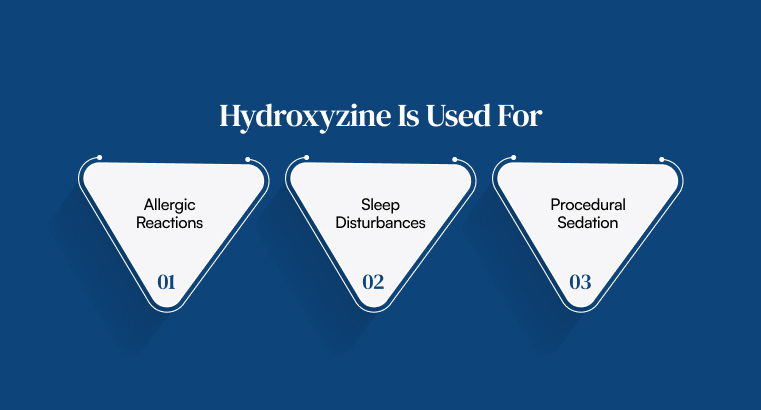
Here is how hydroxyzine works.
Actually, it is a prescription, first-generation antihistamine that operates by blocking histamine. This is a natural chemical that is involved in allergic reactions. Since it crosses the blood-brain barrier, it uniquely impacts the central nervous system.
This makes it an effective, non-addictive option for the management of generalized anxiety disorder and situational tension.
| Conditions Treated | How It Helps |
| Allergic Reactions | Significantly reduces severe itching caused by chronic hives (urticaria), eczema, and contact dermatitis |
| Sleep Disturbances | Serves as a short-term sedative to manage insomnia and sleep disruptions |
| Procedural Sedation | Utilized before or after medical procedures to help patients feel calm and relaxed |
How Long Does Hydroxyzine Last In Your System?
Though you may feel the immediate noticeable effects of hydroxyzine wear off about 6 hours, it actually stays active in your body much longer.
Hydroxyzine has a lengthy elimination half-life of approximately 20 to 25 hours.
Consequently, this means it takes nearly a full day just for your body to clear half of the drug from your bloodstream.
Since it takes roughly 4 to 5 half-lives for a drug to be entirely cleared, hydroxyzine can remain in your system for up to 4 to 5 days after your very last dose.
However, ensure to double-check your physical prescription label to verify your exact dosage, as higher doses can extend this clearance timeline.
Typical Side Effects Of Hydroxyzine
Despite taking the medicine safely and exactly as directed by your doctor, it still can cause a baseline level of side effects.
This is because of how it calms the nervous system.
The most common side effects of hydroxyzine include the following:
- Drowsiness or daytime sleepiness and lethargy
- Dry mouth and throat
- Lightheadedness or temporary unsteadiness when moving
- Mild visual distortion due to relaxed eye muscles
- Occasional nausea, constipation, or mild stomach discomfort
Can You Take Hydroxyzine With Alcohol
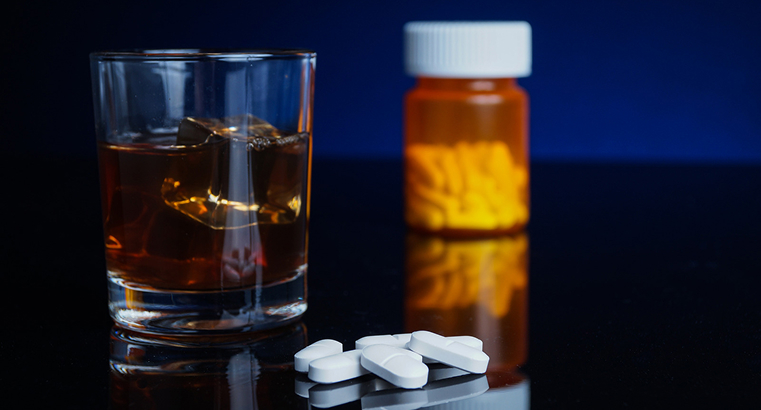
Let us get straight to the point. To answer this straightforwardly, it is no. You should absolutely avoid combining hydroxyzine and alcohol.
According to the FDA drug label, there are explicit warnings against mixing the two.
Therefore, when these substances meet in your body, their combined central nervous system depressant effects compound.
As a result, this makes the drug’s action highly unpredictable, turning a normal therapeutic dose into an accidental hazard.
Common Side Effects
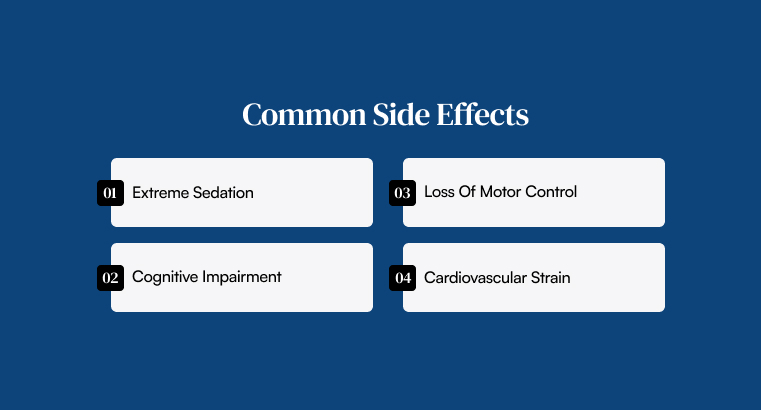
When you mix hydroxyzine with alcohol, standard side effects are intensely amplified, and your body’s motor controls are significantly impaired.
| Side Effect Category | What Occurs When Mixed |
| Extreme Sedation | Overwhelming drowsiness, acute fatigue, and an elevated risk of unexpectedly losing consciousness |
| Cognitive Impairment | Heavy confusion, slurred speech, memory gaps, and severely delayed reaction times |
| Loss Of Motor Control | Intense dizziness, loss of physical balance, and a drastically heightened risk of accidental falls or injuries |
| Cardiovascular Strain | Palpitations, rapid spikes or drops in blood pressure, and a severe risk of heart rhythm disruptions |
How Long Can You Wait To Take Alcohol After Having Hydroxyzine?
Since the medication lingers in your tissues, medical professionals advise waiting at least 2 to 3 days (48 to 72 hours) after your very last dose of hydroxyzine before consuming any alcohol.
Conversely, if you have already been drinking alcohol, you must wait 12 to 24 hours for the alcohol to clear before it is safe to take a dose of hydroxyzine.
If you are taking this medication daily for chronic anxiety, you should practice total alcohol abstinence.
What Other Combinations To Avoid
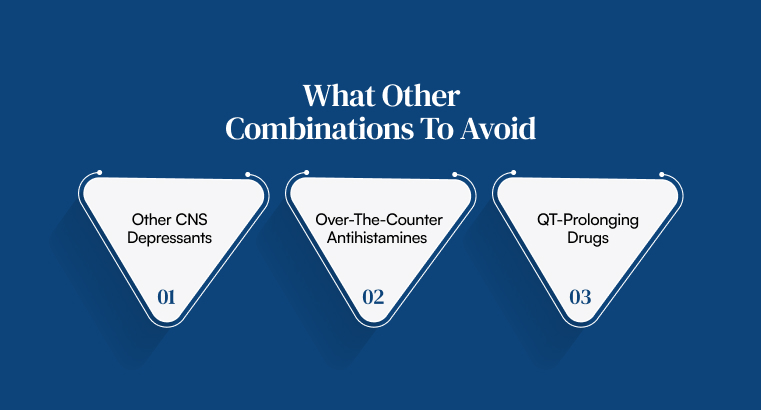
Alcohol is not the only compound that creates a dangerous environment when paired with hydroxyzine.
In order to keep your treatment path safe, you should strictly avoid mixing this drug with several other medication classes unless explicitly approved by your doctor.
Other CNS Depressants
There are several CNS depressants that can cause life-threatening respiratory depression or a coma if combined.
These include:
- Prescription opioids such as oxycodone or codeine
- Sleep aids like Ambien
- Benzodiazepines like Xanax or Valium
Over-The-Counter Antihistamines
When you combine hydroxyzine with OTC allergy or sleep drugs that contain diphenhydramine (Benadryl), it multiplies the sedative load exponentially.
QT-Prolonging Drugs
There are certain class-specific antibiotics, antifungals, and antipsychotics that can severely interact with hydroxyzine.
This results in fatal irregular heartbeats.
Which Groups May Be More Affected By This Combination
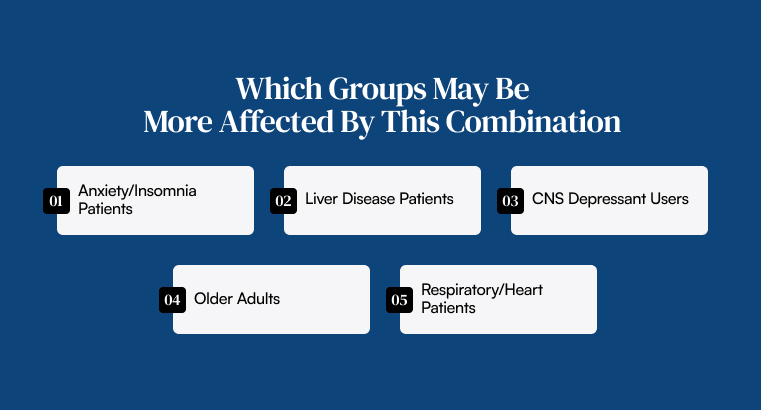
The combination is hazardous across the board.
However, certain individuals face a vastly elevated risk of severe medical consequences due to how their bodies process these substances.
| High-Risk Group | Primary Medical Threat |
| Anxiety/Insomnia Patients | Rebound panic attacks, elevated baseline anxiety, and fragmented sleep |
| Liver Disease Patients | Metabolic bottlenecking, leading to rapid drug toxicity |
| CNS Depressant Users | Accidental overdose, extreme respiratory depression, or coma |
| Older Adults | Severe spatial disorientation, profound confusion, and high risk of falls |
| Respiratory/Heart Patients | Fatal irregular heartbeats (long QT syndrome) and depressed breathing drives |
Individuals With Insomnia Or Anxiety-Linked Symptoms
For people who use hydroxyzine to treat psychiatric distress or sleep disorders, mixing it with alcohol will lead to a severe “rebound effect”.
Alcohol might initially cause drowsiness. However, it actively causes disruptions in deep sleep cycles while altering brain chemistry.
Ultimately, this results in much higher levels of daytime anxiety and worsened insomnia.
Patients With Liver Issues
The liver is the primary organ responsible for metabolizing both alcohol and hydroxyzine.
If you have fatty liver disease, hepatitis, or cirrhosis, your liver functions at a reduced rate.
Mixing these substances only creates a metabolic bottleneck, causing the levels of hydroxyzine to spike to toxic amounts in your bloodstream.
People Taking CNS Depressants
If you are already managing a chronic condition with daily muscle relaxants, anti-seizure medications, or prescription painkillers, adding both alcohol and hydroxyzine creates a highly dangerous triple-sedative effect.
This exponentially raises the chance of an accidental overdose, profound coma, or respiratory arrest.
Older Adults
As the human body starts to age, kidney and liver clearance naturally start to slow down. This means medications linger in the system far longer.
In older adults, the intense dizziness and confusion caused by mixing hydroxyzine and alcohol drastically increases the risk of severe physical falls.
Moreover, this can lead to life-altering fractures or head trauma.
People With Underlying Medical Conditions
People who have preexisting health conditions face critical risks.
These include:
- Glaucoma
- High blood pressure
- Asthma
- Chronic obstructive pulmonary disease (COPD)
- Sleep apnea
- Enlarged prostate
In addition, the combination can paralyze the overall respiratory drive of the body or can even worsen severe urinary retention issues.
Ultimately, Alcohol And Hydroxyzine Do Not Go Together
No matter how tempting it might be to pair a drink with your medication to double down on relaxation, the clinical reality is unwavering.
Ultimately, alcohol and hydroxyzine do not go together.
In case you or a loved one has accidentally mixed these substances and experiences severe warning signs, try to seek immediate emergency medical attention.
Moreover, contact poison control right away.
Finally, open communication with your doctor about your lifestyle habits is always the safest strategy for effective, long-term health management.
Disclaimer: The information provided in this article is for general informational purposes only. It does not, and is not intended to, constitute medical or health advice. Please consult a qualified healthcare professional for medical guidance or expert health assistance.
References
- Badowski, M. (2024). Hydroxyzine oral tablet. Medical News Today.
- PubChem. (2026). Hydroxyzine. PubChem.
- National Institute on Alcohol Abuse and Alcoholism (NIAAA). (2026). Harmful interactions | National Institute on Alcohol Abuse and Alcoholism (NIAAA).
- MedlinePlus. (2026). Hydroxyzine: MedlinePlus drug information. MedlinePlus.
- Tonami, T., Sato, R., Nakano, M., Nakajima, M., & Fukami, T. (2026). Identification of alcohol dehydrogenase (ADH) isoforms catalyzing hydroxyzine oxidation using recombinant human ADH: Serendipitous finding of potent ADH inhibition by organic solvents. Drug Metabolism and Disposition, 54(6), 100318. ScienceDirect.
- Giambrone, H. (2026). Hydroxyzine and Alcohol: A Comprehensive guide to key differences. Silicon Valley Recovery – Drug and Alcohol Treatment in San Jose, CA.
What is your reaction?