By
When you wake up with a scratchy throat, a pounding headache, and a fever that leaves you alternating between shivering and sweating, it is a clear sign of one thing.
You have caught the influenza virus.
When you have the flu, your immune system shifts into overdrive. Meanwhile, it deploys white blood cells and inflammatory proteins to battle the infection.
This massive internal war requires a tremendous amount of metabolic energy.
Paradoxically, however, one of the common symptoms of the flu is a complete loss of appetite.
In addition, the mere thought of a heavy meal can trigger a feeling of nausea. This leaves you wondering how to fuel your recovery when your stomach refuses to cooperate.
Knowing what to eat when you have the flu is one of the most powerful ways to support your immune system.
Besides this, you can also manage your symptoms while shortening your recovery time.
Food is more than just the intake of calories. When you have a viral illness, the right choices act as a form of medicine.
They deliver targeted hydration, easily digestible macronutrients, and vital micronutrients that help rebuild your body’s defenses.
On the other hand, making the wrong dietary choices can stress an already fragile digestive tract, increase systemic inflammation, and prolong your misery.
Thus, this comprehensive guide breaks down the science of flu nutrition, offering a structured roadmap of the following:
- What to consume
- What to avoid
- How to safely nurse yourself back to health
Why Nutrition Matters During A Viral Infection

When the influenza virus enters your respiratory system, your body initiates an acute-phase response.
This defense mechanism alters your metabolism while raising your core body temperature to create an inhospitable environment for the virus.
It accelerates protein breakdown to produce antibodies, and the process causes the classic muscle aches and physical exhaustion associated with the flu.
In order to maintain this high-energy immune defense, your body requires a steady supply of nutrients.
However, because your system is redirecting its energy away from digestion and toward immune defense, your digestive tract operates at a reduced capacity.
This is the reason why you experience a diminished appetite and sluggish digestion.
The main goal of a flu recovery diet is to maximize nutrient density while minimizing digestive workload. Moreover, you need foods that require very little mechanical breakdown in the stomach.
However, they offer high levels of hydration, electrolytes, and cellular support.
The Core Pillars Of Flu Recovery Nutrition
| Nutrient Pillar | Primary Function During the Flu | Ideal Dietary Sources |
| Hydration & Electrolytes | Replaces fluids lost through fever and sweating; maintains fluid balance. | Bone broth, herbal teas, coconut water, electrolyte solutions. |
| Easily Digestible Proteins | Provides amino acids required to manufacture new antibodies and repair muscle tissue. | Shredded chicken, soft-boiled eggs, silken tofu, well-cooked legumes. |
| Antioxidants & Micronutrients | Neutralizes cellular stress caused by viral inflammation; supports white blood cells. | Berries, citrus fruits (if tolerated), steamed carrots, greens. |
The Best Foods To Eat When You Have The Flu
When you have a low appetite, always try to put a focus on foods that are comforting, easy to swallow, and packed with therapeutic properties.
Warm Broths And Soups
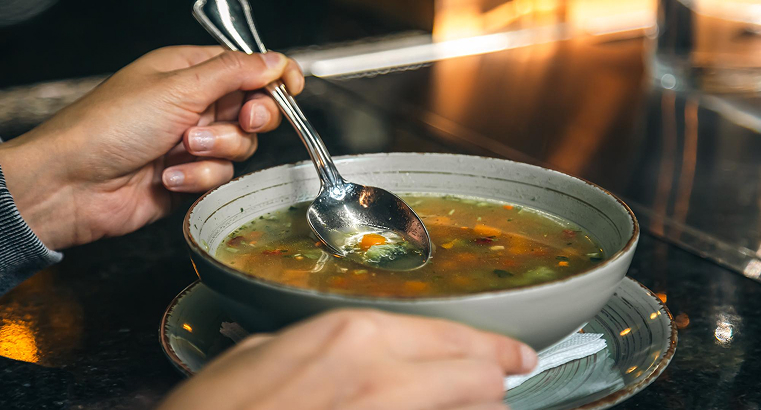
Whether it be chicken, beef or vegetables, clear broths are the gold standard for flu recovery.
One of the most important aspects here is the hydration factor. Broths are rich in water, with essential salts such as sodium and potassium.
As a result, this makes them incredibly effective at the prevention of dehydration that is usually caused by fevers.
When you breathe in the hot steam from a bowl of soup, it acts as a natural decongestant.
This loosens the stubborn mucus in your nasal passages while soothing an irritated throat.
According to research, chicken soup possesses mild anti-inflammatory properties. Specifically, it can help slow the migration of neutrophils, which are a type of white blood cell.
This reduces upper respiratory tract symptoms.
Garlic, Ginger, And Turmeric
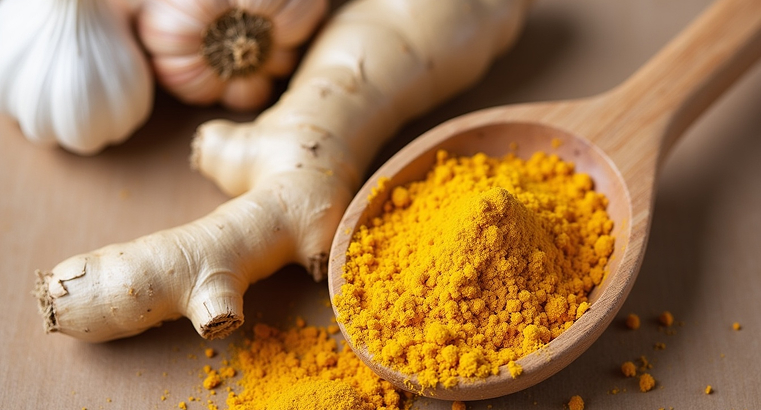
The integration of these three key powerful aromatics into your broths or teas can significantly alter how you feel during an attack of the flu.
The Magic Of The Three
| Power Of Three | What Does It Have? | How Do They Help? |
| Ginger | Has gingerol and related pungent compounds like shogaols as its primary active aromatic and bioactive constituents | If your flu is accompanied by nausea or an upset stomach, ginger helps settle the stomach lining Reduces the urge to vomit |
| Garlic | Contains allicin with immunity-boosting properties | Due to having allicin, it helps with boosting immunity Stimulates the activity of natural killer cells to fight infection |
| Turmeric | Packed with curcumin for anti-inflammatory properties | With curcumin, it helps with anti-inflammation Alleviates the systemic muscle aches associated with the virus |
The BRAT Diet And Simple Carbohydrates
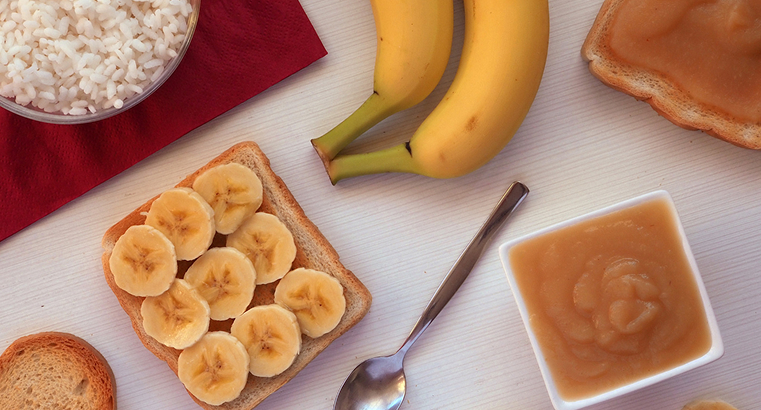
It can be quite common to have a weak stomach when you have the flu.
If your stomach is incredibly sensitive, try to stick to bland and low-fiber foods that are exceptionally easy for your intestines to process.
The BRAT diet stands for Bananas, Rice, Applesauce, and Toast.
| Components of BRAT | Why Integrate It Into Your Diet? |
| Bananas | Rich in potassium, which is easily lost through sweating or diarrhea, and gentle on the stomach |
| Rice | Plain white rice provides quick, easily accessible glucose to fuel cellular energy without stressing the gut |
| Applesauce | Offers a mild source of vitamin C and easily digestible carbohydrates, alongside pectin to help settle the bowels |
| Toast | Plain, unbuttered dry toast provides simple calories to keep your blood sugar stable when heavy foods are unmanageable |
However, remember a couple of things for your own health.
First of all, always prioritize clear fluids such as water, oral rehydration solutions, clear broths, or diluted coconut water. This helps you prevent dehydration.
While the BRAT diet is very useful for the flu and an upset stomach, try to keep it temporary. The thing is, this diet is very low in protein, fat, and essential nutrients.
Thus, medical guidelines usually offer advice against staying on it for more than 24 to 48 hours before transitioning back to a balanced diet.
Vitamin C-Rich Fruits And Vegetables
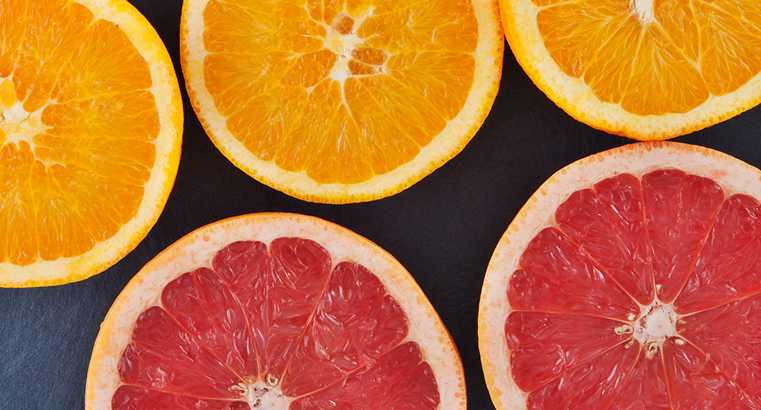
While high-dose vitamin C cannot instantly cure the flu, maintaining adequate levels is essential for optimal immune function.
For example, kiwi and strawberries are soft fruits that are packed with Vitamin C as well as antioxidants to combat oxidative stress.
You may also consider having oranges and grapefruits. However, if you have a severe sore throat, their acidity might cause irritation.
Cooked leafy greens such as spinach and kale can be cooked thoroughly in soups. Not only are they good for vitamin C, but also iron, vitamin A, and folate. These are vital for cellular repair.
High-Protein Soft Foods

When you suffer from the flu, your immune system has a heavy reliance on proteins for the creation of antibodies and cytokines.
In case meat feels too heavy, try these alternatives instead:
- Eggs for high-quality protein, selenium, and vitamin D
- Greek yogurt for zinc and probiotics for gut health
Foods And Drinks To Avoid At All Costs
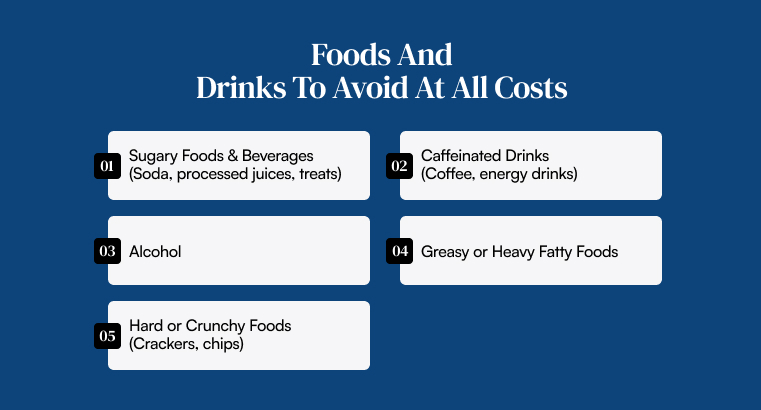
Just as the right foods can accelerate healing, certain dietary choices can increase internal inflammation, trigger dehydration, or aggravate respiratory symptoms.
| Food/Beverage Type | Why to Avoid | Impact on Your Body |
| Sugary Foods & Beverages(Soda, processed juices, treats) | Suppresses white blood cells Drives systemic inflammation | Makes it harder for the body to fight off the viral load. |
| Caffeinated Drinks(Coffee, energy drinks) | Acts as a diuretic Increases fluid loss through urination | Works directly against your hydration goals. |
| Alcohol | Severely dehydrates the body Suppresses immune function | Can interact dangerously with over-the-counter medications like acetaminophen or ibuprofen. |
| Greasy or Heavy Fatty Foods | Takes a long time to break down Diverts blood flow to digestion | Steals energy from the immune system and often worsens nausea. |
| Hard or Crunchy Foods(Crackers, chips) | Possesses sharp physical edges | Scratches and inflames an already raw, swollen throat. |
A Blueprint For Rest And Recovery
Recovering from the flu requires patience and listening to the signals your body produces.
Try to focus on deep hydration, clean broths, easy-to-digest carbohydrates, and anti-inflammatory spices.
In this way, you get to give your immune system the exact tools it needs to defeat the virus.
In conclusion, keep your meals simple, stay warm, and give your body the rest it deserves.
Disclaimer: The information provided in this article is for general informational purposes only. It does not, and is not intended to, constitute medical or health advice. Please consult a qualified healthcare professional for medical guidance or expert health assistance.
References
- Oriola, A. O., & Oyedeji, A. O. (2022). Essential Oils and Their Compounds as Potential Anti-Influenza Agents. Molecules, 27(22), 7797. National Library of Medicine.
- University of Basel. (2026). When fever shuts down the appetite. University of Basel.
- Centers for Disease Control and Prevention. (2026). Clinical signs and symptoms of influenza. Influenza (Flu). Centers for Disease Control and Prevention.
- NHS.UK. (2026). Flu. nhs.uk.
- Rasheed, N. (2020). Ginger and its active constituents as therapeutic agents: Recent perspectives with molecular evidences. International Journal of Health Sciences, 14(6), 1.
- The Oregon Clinic. (2026). BRAT Diet | The Oregon Clinic. Oregon Clinic.
- Richards, L. (2025). How ginger can help with a cold. Medical News Today.
What is your reaction?