By
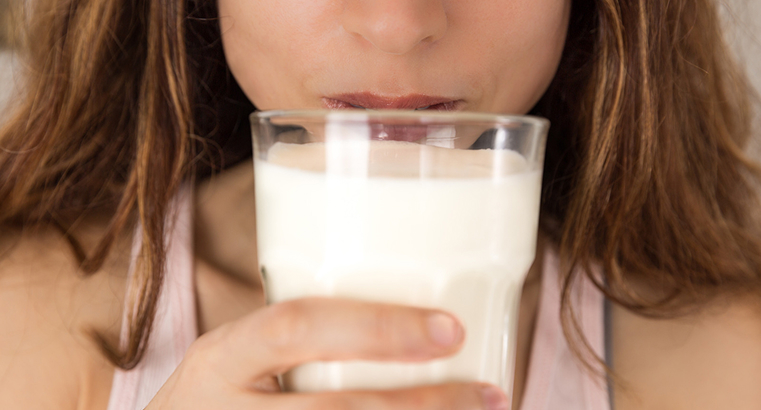
Imagine this scenario. Your grandmother probably handed you a glass of cold milk the last time your chest burned.
For a few minutes, it actually worked.
That quick comfort is exactly why the habit has lasted for generations. So, does milk help heartburn?
Or does it only feel like does?
Here is the short answer. Milk can actually offer brief relief. However, it can also set you up for more acid later. In fact, the type of milk matters a great deal.
So, this guide will explain:
- why milk feels soothing
- why the relief often fades
- how skim, whole, and plant milks compare
- what to reach for instead when the burn returns
Why Milk Feels Like The Perfect Heartburn Remedy

Heartburn happens when stomach acid slips up into the esophagus, the tube which is responsible for carrying food to your stomach.
The lining there has little protection against acid. Thus, the burning starts to happen pretty fast.
Milk is so cool, creamy, and nearly neutral, which makes it seem like a natural fix. The relief you feel is real. However, it comes from a short-lived effect and not from treating the cause.
The Buffering And Coating Effect
First, let us get the science straight. More specifically, the chemistry of it all.
So, stomach acid sits at a pH of about 1 to 3, which is very acidic. On the other hand, milk has a pH of roughly 6.5 to 6.7. This is close to neutral.
Therefore, a glass can dilute and partly neutralize acid in the esophagus.
The liquid also washes some acid back down, where its smooth texture can make a sore throat feel calmer.
For a minute or two, the burn starts to ease.
Why The Relief Fades
After milk reaches the stomach, its protein and calcium prompt the stomach to make more acid.
Researchers call this acid rebound. In addition, milk fat can relax the lower esophageal sphincter (LES), the muscle valve that keeps acid down.
The result is that heartburn can return within 20 to 30 minutes, sometimes stronger than before.
Not everyone experiences this, but it is common enough to be worth knowing.
Does Milk Help Heartburn? What The Evidence Says
Honestly, the research is thin.
Few well-designed studies have tested milk directly against reflux.
Most of what we know comes from small trials and from how milk’s components behave in the body.
Most gastroenterologists describe milk as a short-term comfort measure with an uncertain payoff, not a treatment. The table below summarizes how each type tends to perform.
| Type of Milk | Fat per Cup | Possible Short-Term Effect | Likely Downside |
| Whole milk | 8 g | Brief soothing coating | High fat relaxes the LES and slows stomach emptying. |
| 2% milk | 5 g | Brief soothing coating | Moderate fat; may still trigger sensitive individuals. |
| Low-fat (1%) milk | 2.5 g | Brief soothing coating | Protein content may still stimulate acid production. |
| Skim milk | 0 g | Brief soothing, least fat trigger | Acid rebound is still possible from the protein. |
| Almond milk (unsweetened) | 2.5 g | Mildly alkaline, gentle on stomach | Some brands contain added sugars or thickeners. |
| Oat milk | 2.5 to 5 g | Gentle; natural fiber may help | Sweetened or flavored versions can cause irritation. |
| Soy milk | 4 g | Generally neutral for most | Acts as a personal trigger for certain individuals. |
| Coconut milk (carton) | 4 to 5 g | Generally neutral | Canned versions must be avoided as they are very high in fat. |
Whole Milk
Whole milk is the least helpful of the group for most people.
Usually, fat slows how quickly the stomach empties. This gives acid more time to build up and more chances to escape upward.
Also, fat lowers LES pressure, so a glass of whole milk with a heavy, greasy meal is close to the worst combination you can consume for reflux.
Skim And Low-Fat Milk
If you want to try dairy, skim or 1% milk is the better pick.
With less fat, there is less relaxation of the LES, and the milk still offers its brief buffering effect.
Some people with occasional heartburn find a small glass genuinely helpful.
Others get the rebound and feel worse, so test a small amount and see how your body responds.
Plant-Based Milks
Almond milk is mildly alkaline, which may help neutralize acid, and it is low in fat when unsweetened.
Oat milk is also well tolerated by many, and its fiber may help. Soy milk works for some people, though it triggers others.
Choose unsweetened versions and check labels, because sugar, flavorings, and some thickeners can irritate. Canned coconut milk is high in fat and best avoided.
When Milk Can Make Heartburn Worse

You should know one thing, though. Milk is not harmless for everyone. However, several situations turn a soothing habit into a trigger.
Also, they are easy to overlook because the first few minutes feel good.
Does Milk Help Heartburn At Night?
The fact is that during nighttime, it is when milk most often backfires. Also, lying flat makes it much easier for acid to climb.
Moreover, a full glass of milk before bed adds volume, fat, and protein just when your stomach needs to stay quiet.
After that, the rebound acid arrives while you are asleep.
In case you need something at night, a few sips of water or a small sip of warm herbal tea is gentler.
So, finish eating and drinking at least two to three hours before lying down.
Lactose Intolerance And Dairy Sensitivity
Nighttime is where milk most often backfires.
Lying flat makes it much easier for acid to climb, and a full glass of milk before bed adds volume, fat, and protein just when your stomach needs to stay quiet.
The rebound acid then arrives while you are asleep. If you need something at night, a few sips of water or a small cup of warm herbal tea is gentler.
So, finish eating and drinking at least two to three hours before lying down.
Lactose Intolerance And Dairy Sensitivity
Many adults cannot fully digest lactose, the sugar in milk.
Moreover, the symptoms include:
- Bloating
- Gas
- Cramping
- Diarrhea
- Bloating can push pressure upward and worsen reflux
If you notice that milk leaves you gassy or uncomfortable, lactose-free milk or a plant alternative makes more sense.
A true milk allergy is different and can cause hives, vomiting, or breathing problems, so it needs medical advice.
Cold Milk, Large Glasses, And Heavy Meals
Large volumes stretch the stomach, which raises pressure on the LES. Very cold liquids may also cause spasms in a sensitive esophagus.
Drinking milk alongside a big, fatty meal, such as pizza or fried food, piles up the triggers rather than easing them.
How To Try Milk Sensibly
If milk helps you, there is no need to give it up. The goal is to use it in a way that limits the downside. A few simple rules go a long way.
| Guideline | Recommendation | Reason / Benefit |
| Milk Selection | Choose skim or 1% milk. | Less fat reduces the chance of relaxing the lower esophageal sphincter (LES) |
| Portion Size | Keep the portion small (half a cup is plenty). | Prevents stretching the stomach, which can trigger reflux |
| Temperature & Pace | Sip slowly at room temperature or slightly cool. | Avoids shock to the system; ice-cold milk can hinder digestion |
| Timing | Avoid before bed or within 2–3 hours of lying down. | Prevents gravity-induced acid reflux while sleeping |
| Monitoring | Notice the pattern (check if burn returns within 30 mins). | Helps identify if milk is actually worsening your symptoms |
| Frequency | Don’t rely on it daily. | Frequent dependence indicates a need to address the underlying cause |
Better Alternatives to Milk for Heartburn
Because milk is unreliable, other options tend to work more consistently. The table compares some common choices, along with when each makes sense.
| Option | How it helps | Best for | Caution |
| Plain water, small sips | Washes acid down and dilutes it | Mild, occasional burn | Large gulps can worsen reflux |
| Ginger tea | May help the stomach empty faster | After meals | Too much ginger can irritate |
| Chamomile tea | Calming, gentle on the gut | Evening | Avoid if allergic to ragweed |
| Calcium carbonate antacid (Tums) | Neutralizes acid within minutes | Occasional, fast relief | Not for long-term daily use |
| Alginate liquid (Gaviscon) | Forms a foam barrier over stomach contents | Reflux after meals or at night | Check sodium content |
| Sugar-free gum | Boosts saliva, which neutralizes acid | After eating | Mint flavors can trigger some people |
| Famotidine or a PPI | Reduces acid production | Frequent heartburn, under guidance | Not for use beyond two weeks without advice |
Antacids work because they contain compounds designed to neutralize acid quickly.
Milk works only loosely in the same way, and it brings protein and fat into the equation, which is why antacids are usually more reliable.
Habits That Work Better Than Any Drink
Long-term relief comes from reducing how often acid escapes, not from soothing it afterwards.
These changes matter more than any glass of milk:
| Habit | How It Helps | Actionable Step |
| Meal Size And Timing | Prevents the stomach from overstretching and reduces nighttime reflux. | Eat smaller portions and finish eating 2 to 3 hours before bed. |
| Trigger Tracking | Identifies specific items causing the lower esophageal sphincter (LES) to relax. | Keep a food diary to note reactions to fried food, chocolate, onion, garlic, spicy dishes, coffee, alcohol, and citrus. |
| Sleep Positioning | Uses gravity to keep stomach acid down where it belongs. | Raise the head of your bed by 6 to 8 inches, or sleep primarily on your left side. |
| Weight Management | Reduces the physical force pushing stomach contents upward. | Focus on gradual weight management to decrease abdominal pressure. |
| Post-Meal Habits And Clothing | Minimizes mechanical pressure on the stomach after eating. | Avoid tight clothing around the waist and stay upright after meals. |
| Smoking Cessation | Protects the structural integrity of your digestive anatomy. | Quit smoking, as nicotine directly weakens the LES. |
Milk, Heartburn, And Special Situations
A few groups ask this question more than others, and the advice shifts slightly for each.
Pregnancy
Heartburn is very common in pregnancy because hormones relax the LES and the growing uterus presses on the stomach.
A small glass of low-fat milk is generally safe and helps some people briefly.
Even so, calcium-based antacids are often recommended first, and many doctors suggest them.
Check with your provider before taking any medicine, including antacids, during pregnancy.
Ulcers And The Old Milk Advice
Decades ago, doctors told people with stomach ulcers to drink milk. That advice has been dropped.
Milk gives short relief, but it increases acid production.
However, we now know that most ulcers are caused by H. pylori bacteria or anti-inflammatory painkillers, which need targeted treatment.
When To See A Doctor

Occasional heartburn after a big meal is common, but frequent episodes need attention.
Book an appointment if you have heartburn more than twice a week, need antacids for more than two weeks, or find that nothing, including milk, seems to help.
Mention trouble swallowing, a lasting cough, a hoarse voice, or a sour taste in your mouth, because these can point to gastroesophageal reflux disease (GERD).
Seek urgent care for unexplained weight loss, repeated vomiting, black or bloody stools, or vomit that looks like coffee grounds.
Call emergency services immediately.
Do this if:
- Burning in your chest comes with pressure
- Pain spreading to the arm, jaw, or back
- Shortness of breath
- Sweating
- Dizziness.
Heart attacks can feel like heartburn, and it is never safe to assume.
So, does milk help heartburn?
Actually, the answer is sometimes, and briefly.
A small glass of skim milk may take the edge off an occasional burn, but whole milk, large servings, and late-night glasses can leave you worse off.
If you find yourself reaching for the carton again and again, treat that as a message:
It is time to look at what is triggering your reflux, not just what quiets it.
Disclaimer: The information provided in this article is for general informational purposes only. It does not, and is not intended to, constitute medical or health advice. Please consult a qualified healthcare professional for medical guidance or expert health assistance.
References
- Fernando, I., Schmidt, K. A., Cromer, G., Burhans, M. S., Kuzma, J. N., Hagman, D. K., Utzschneider, K. M., Holte, S., Kraft, J., Vaughan, T. L., & Kratz, M. (2022). The impact of low-fat and full-fat dairy foods on symptoms of gastroesophageal reflux disease: an exploratory analysis based on a randomized controlled trial. European Journal of Nutrition, 61(5), 2815–2823. PubMed Central.
- GERD Diet: Foods That Help with Acid Reflux (Heartburn). (2026, October 1). Johns Hopkins Medicine.
- Zhang, M., Hou, Z. K., Huang, Z. B., Chen, X. L., & Liu, F. B. (2021). Dietary and Lifestyle Factors Related to Gastroesophageal Reflux Disease: A Systematic Review. Therapeutics and Clinical Risk Management, 17, 305. PubMed Central.
What is your reaction?