By
For years, salt has been blamed for high blood pressure, and sugar has been spared of any blame. However, that is changing.
So, is sugar a culprit for high blood pressure? More specifically, Does sugar raise blood sugar? Actually, the answer is, in fact, yes. Also, it’s more powerful than many realize, particularly when it comes to sugary beverages and added sugars.
But it’s not quite as easy as one sweet making your numbers rise. Sugar has a number of ways of working, including:
- Weight gain
- Insulin
- Inflammation
- The kidneys
Actually, some types are worse than others.
Thus, this guide tells you how sugar impacts your blood pressure, which sugars are most important, how much is too much, and what you can do about it.
How Blood Pressure Works And Why Diet Matters
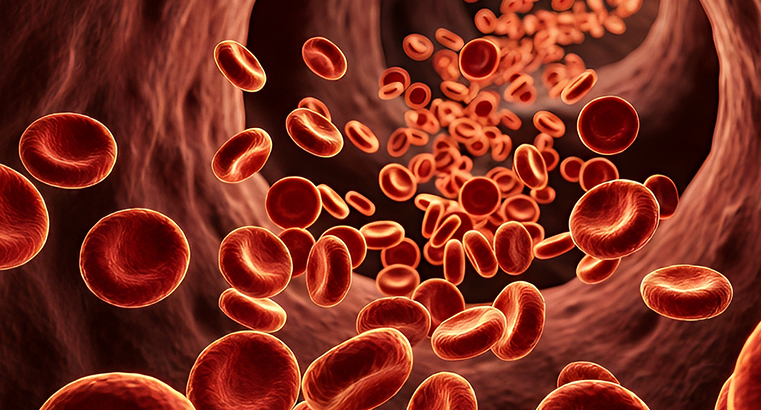
So medically, blood pressure is actually termed as hypertension and hypotension, where:
- Hypotension is low blood pressure, hypo meaning low
- And Hypertension is high blood pressure, hyper meaning high
This is the force of blood against your artery walls.
When it comes to hypertension, that means that force stays too high, which strains the heart, brain, kidneys, and eyes over time.
Doctors diagnose it at readings of 130/80 mmHg or above on repeated measurements (World Health Organization, 2025).
Many things push it up, and food is one of the biggest levers you control.
Salt Is Not The Whole Story
The effect of sodium on retaining body fluid and increasing pressure is well known.
However, large trials demonstrate that diets rich in added sugar are also associated with increases in blood pressure, in some cases without the influence of salt.
In reality, a diet rich in processed foods is likely to be rich in both, and the combined effect is greater than the sum of its parts.
Why The Type Of Sugar Matters
Whole fruit sugar is accompanied by fiber, water, potassium and plant compounds that slow down its absorption and can even reduce pressure.
Sugar added to sodas, sweets, sauces, and baked goods does not come with any of those protections.
The difference is what makes an apple and a can of cola with the same amount of sugar have different effects on the body.
Does Sugar Cause High Blood Pressure? How It Happens
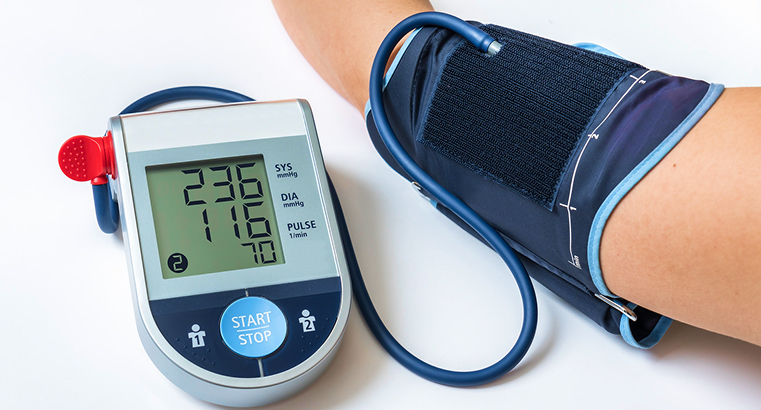
There are several routes identified and they can be combined. Some can occur within hours, others over years. The following table provides a summary of the major ones.
| Mechanism | What happens | Speed |
| Weight gain | Excess sugar adds calories and body fat, which raises pressure | Months to years |
| Insulin resistance | High insulin makes the kidneys retain sodium and stimulates the nervous system | Months to years |
| Uric acid | Fructose breakdown raises uric acid, which can narrow blood vessels | Hours to weeks |
| Sympathetic nervous system | Sugar loads can increase heart rate and constrict vessels | Hours |
| Inflammation and vessel damage | Sugar spikes stress the vessel lining and reduce nitric oxide | Years |
| Kidney sodium retention | Fructose may increase salt absorption in the kidneys | Hours to weeks |
Weight Gain And Insulin Resistance
This is the slow but strong path. Sugar-loaded foods and beverages provide calories without providing any sense of fullness, and weight slowly accumulates.
Extra body fat, particularly around the abdomen, contributes to high blood pressure and insulin resistance, a condition in which the body’s cells do not respond to insulin.
Moreover, insulin increases sodium and water retention by the kidneys and stimulates the nervous system, which also increases pressure.
Fructose, Uric Acid, And Blood Vessels
Fructose is processed mainly in the liver, and the process produces uric acid as a byproduct. Uric acid increases when it is raised, which causes the blood vessels to relax and dilate.
The tighter the vessels, the higher the pressure. In humans, large doses of fructose have been shown to cause a transient increase in blood pressure, but in the real world, fructose intake is more moderate.
Does Sugar Cause An Immediate Spike In Blood Pressure?
Some people experience a small, short-lived increase in blood pressure and heart rate following a very sweet meal or beverage, primarily due to nervous system stimulation.
This is typically minimal and goes away in a few hours. The real issue is the long-term trend: multiple sugar loads over months and years and the weight and metabolic shifts that follow.
What The Evidence Shows
The evidence is compelling enough that large health organizations are now referring to added sugar as a risk factor for high blood pressure. It’s good to know the strength of each piece, as headlines can overstate it.
| Finding | Strength Of Evidence |
| Sugar-sweetened drinks are linked to higher blood pressure and hypertension risk | Strong, from large cohort studies and trials |
| Cutting added sugar lowers blood pressure, modestly | Moderate; average drops of a few mmHg in trials |
| Cutting sugary drinks lowers blood pressure | Moderate to strong |
| Fructose in large doses raises blood pressure short term | Moderate, mostly in controlled studies |
| Sugar affects blood pressure more than salt does | Not established; both matter |
| Natural sugars in whole fruit raise blood pressure | Not supported; fruit is linked to lower risk |
Sugary Drinks Stand Out
Of all sources, liquid sugar has the clearest link. Sugar from soda, sweetened tea, energy drinks and fruit punch comes in a concentrated form and doesn’t make you feel full like food does.
In large studies, people who drink one or more sugary drinks a day have a noticeably higher risk of developing hypertension than people who rarely drink them. 100 percent fruit juice, even in large quantities, has no fiber and provides sugar.
A Modest But Meaningful Effect
Reducing added sugar decreases blood pressure by an average of a few points in clinical trials, and by even more in those who lose weight or already have high blood pressure.
This drop of 5 mmHg may seem small, but in a population, it lowers strokes and heart attacks. It can be the difference for a person who is on the edge of high blood pressure.
How Much Sugar Is Too Much?
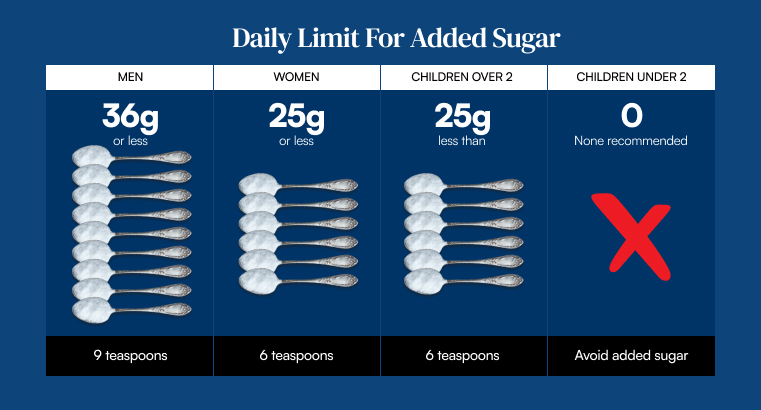
The majority of people consume more added sugar than they realize and the quantity is concealed in locations you would not anticipate. Guidelines establish limits that are below normal consumption, and many are easily surpassed in one drink.
| Group | Recommended Daily Limit For Added Sugar (Aha) | Equivalent |
| Men | 36 g or less | About 9 teaspoons |
| Women | 25 g or less | About 6 teaspoons |
| Children over 2 | Less than 25 g | About 6 teaspoons |
| Children under 2 | None recommended | Avoid added sugar |
Where The Sugar Hides
A 12 oz. can of cola contains approximately 39 grams, which exceeds the recommended daily intake for most adults. Added sugar is found in flavored yogurt, granola bars, breakfast cereal, pasta sauce, ketchup, salad dressing, and bottled coffee drinks.
Look at the “added sugars” line on the nutrition panel, and watch for the terms high fructose corn syrup, cane juice, dextrose, and syrup.
Natural Vs. Added Sugar
Sugar in whole fruit, vegetables and plain milk does not count against the limit and poses no risk. The potassium and fiber in whole fruit are associated with reduced blood pressure.
Even though it’s natural-sounding, honey, maple syrup and agave are still added sugars.
Sugar, Salt, And The Bigger Picture
Sugar and salt don’t always go together. The foods that have one tend to have the other, which is why reducing processed food is so beneficial. When you look at them together, you can also see where you get the biggest return on your effort.
| Factor | How It Raises Blood Pressure | Where It Hides |
| Added sugar | Weight gain, insulin resistance, uric acid | Soda, sweets, sauces, cereal |
| Sodium | Fluid retention | Bread, canned soup, deli meat, restaurant food |
| Alcohol | Narrows vessels, adds calories | Beer, wine, spirits |
| Low potassium | Less sodium excreted | Diets low in fruit and vegetables |
| Excess weight | Greater workload on the heart | Often linked to sugar-heavy diets |
Diabetes And Prediabetes
Diabetics are already at risk of hypertension because high blood sugar and insulin damage vessels and the kidneys. Sugar control is important for them not only for blood sugar but also for blood pressure.
For those with prediabetes, reducing sugar is one of the most important steps you can take for both you and your blood sugar.
Artificial Sweeteners
They’re frequently recommended as an exchange and they can reduce calories.
There is conflicting evidence about their effect on blood pressure and some studies have found that heavy use is associated with increased cardiovascular risk, which could be due to other habits. The best alternatives are water, unsweetened tea, and sparkling water.
How to Cut Sugar Without Feeling Deprived
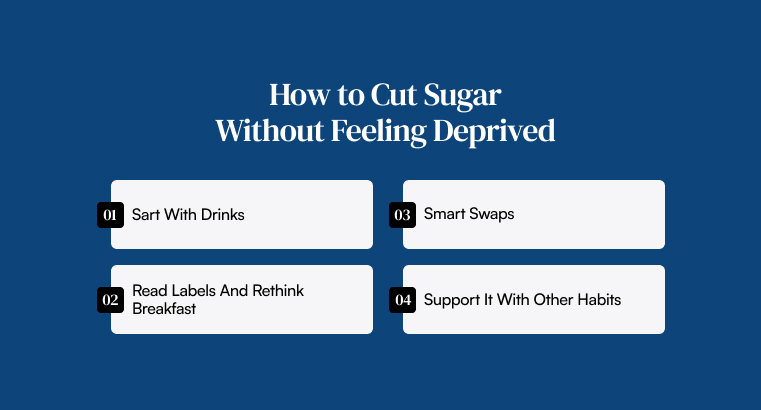
Quitting cold turkey is not a permanent solution. Slowly changing sticks better and taste buds adjust in a few weeks. Begin with the largest sources and then work down.
Start With Drinks
Drink water, sparkling water with lemon or unsweetened tea instead of soda and sweetened beverages. If you do add sugar to your coffee, cut it down by half a teaspoon per week.
This one change will take out more added sugar than any other.
Read Labels And Rethink Breakfast
Opt for plain yogurt and top with fruit, pick cereals that contain less than 6g of sugar per serving, and cook oats yourself. Compare the products and select the smaller number.
Smart Swaps
| Swap This | Instead Use | Why It Helps |
| Candy or dessert | Fruit | Fiber slows down sugar absorption |
| Sweet snacks | Nuts or plain popcorn | Provides a savory, low-sugar alternative |
| Store-bought dressings and sauces | Homemade dressings and sauces | Avoids hidden added sugars entirely |
| Milk chocolate | Dark chocolate (at least 70% cocoa) | Satisfies cravings in small portions with less sugar |
| Sugar for sweetness | Cinnamon or vanilla | Adds natural flavor and sweetness without the sugar |
Support It With Other Habits
Sugar reduction is most effective when combined with other heart-healthy measures: The DASH eating pattern is high in fruits, vegetables, whole grains, and low-fat dairy and can significantly reduce blood pressure.
Each of these, such as regular exercise, a healthy weight, less alcohol, and good sleep, contributes to the effect.
Who Should Be Most Careful
While it’s a good idea for everyone to reduce added sugar in their diet, certain groups may benefit more. They have a higher risk level and the same habits are more important.
Those who already have high blood pressure, prediabetes, diabetes, obesity or a family history of heart disease should be especially mindful. Likewise, people suffering from kidney disease or gout should avoid fructose, as it is linked to uric acid.
Sugary drinks are also teaching children and teens unhealthy habits that can increase their risk in the future. Don’t alter or discontinue blood pressure medications as a result of improving your diet. Instead, let your doctor know so they can keep an eye on your blood pressure.
The Best Time To See A Doctor
High blood pressure typically doesn’t have any symptoms, so the only way to know is to take a blood pressure reading. Get your blood pressure checked at least once a year, or more frequently if you have high blood pressure or risk factors.
A home monitor helps and readings over multiple days provide the clearest picture.
If your readings are always at or above 130/80, you have diabetes or kidney disease, or you have a family history, see a doctor.
However, if you have chest pain, shortness of breath, severe headache, vision changes, weakness, or trouble speaking, and a reading of 180/120 or higher, call emergency services. That is because these symptoms may indicate a hypertensive crisis or stroke.
So, is sugar a blood pressure booster?
Over time, yes, particularly when it comes from sugary drinks and processed foods. It works via weight, insulin, and the vessels, and the good news is that it works in reverse when you reduce intake.
Begin with what you drink, read the labels, and have the whole fruit in sight. Thus, watch your blood pressure.
Disclaimer: The information provided in this article is for general informational purposes only. It does not, and is not intended to, constitute medical or health advice. Please consult a qualified healthcare professional for medical guidance or expert health assistance.
References
- World Health Organization: WHO & World Health Organization: WHO. (2025, September 25). Hypertension. World Health Organization.
- He, F. J., & MacGregor, G. A. (2014). Salt and sugar: their effects on blood pressure. Pflügers Archiv – European Journal of Physiology, 467(3), 577–586. PubMed.
- Zhao, Y., Feng, Y., Zeng, Y., Di, W., Luo, X., Wu, X., Guan, R., Xu, L., Yang, X., Li, Y., Wu, Y., Wu, X., Zhang, Y., Li, X., Qin, P., Hu, F., Hu, D., Li, H., & Zhang, M. (2023). Sugar intake and risk of hypertension: a systematic review and dose–response meta-analysis of cohort and cross-sectional studies. Critical Reviews in Food Science and Nutrition, 64(26), 1–12. PubMed.
- Rafieipour, A., Zeinalabedini, M., Shekari, S., Azaryan, F., Salimi, Z., Ardekanizadeh, N. H., Mahmoudi, Z., Kohansal, A., Shamsi-Goushki, A., Gholamalizadeh, M., Mosavi Jarrahi, S. A., Khoshdooz, S., Doaei, S., & Kooshki, A. (2024). The association between hypertension and different types of dietary carbohydrates. Cardiovascular Endocrinology & Metabolism, 13(4), e00317. PubMed Central.
- Labban, M. M., Itani, M. M., Maaliki, D., Radwan, Z., Nasreddine, L., & Itani, H. A. (2022). The Sweet and Salty Dietary Face of Hypertension and Cardiovascular Disease in Lebanon. Frontiers in Physiology, 12, 802132. PubMed Central.
What is your reaction?