 By
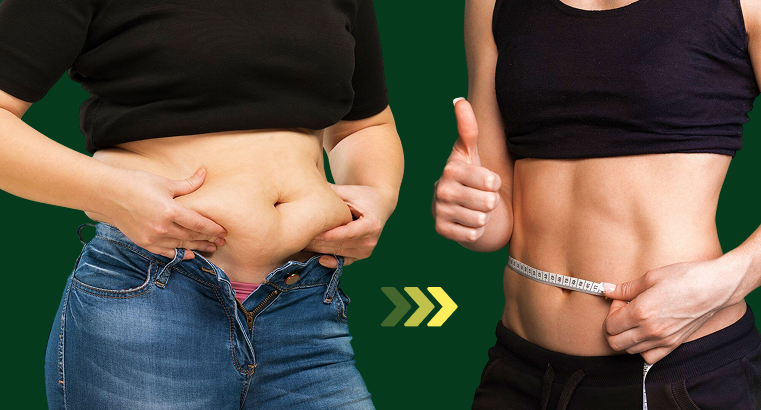
Many people with this condition say the same thing: they eat less, exercise more, and the scale barely moves, while a friend loses weight on the same plan.
If you have searched for how to lose weight with PCOS, you may have noticed the name has changed.
That frustration is real, and it has a biological explanation. Now, before you try to find an answer for that, let us know one fact.
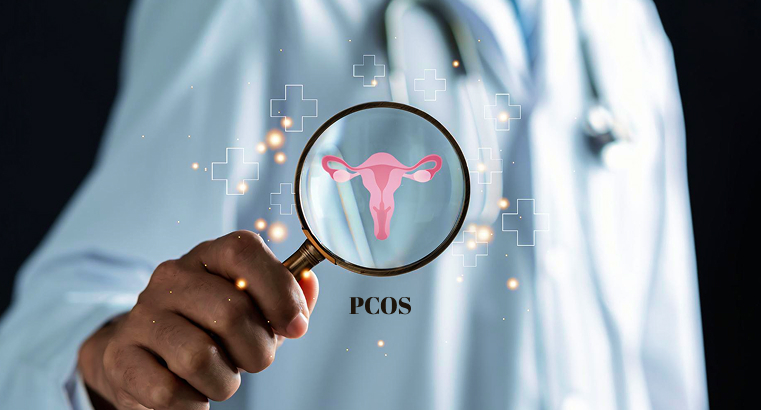
Since May 2026, polycystic ovary syndrome (PCOS) has been officially known as polyendocrine metabolic ovarian syndrome, or PMOS.
Now, knowing that understand this first. PMOS changes how your body handles insulin, hunger, and fat storage. Therefore, the standard advice often falls short.
However, the encouraging news is that modest, steady changes work. Moreover, even a small loss can bring back regular periods and ease symptoms.
Also, the new name matters for weight, because it puts hormones and metabolism at the center of the condition.
Thus, this guide explains the following carefully and in depth:
- Why weight is harder to lose with PMOS
- Which eating and exercise strategies have the best evidence
- What medicine can add
- When to ask for help
What PMOS Is And Why The Name Changed
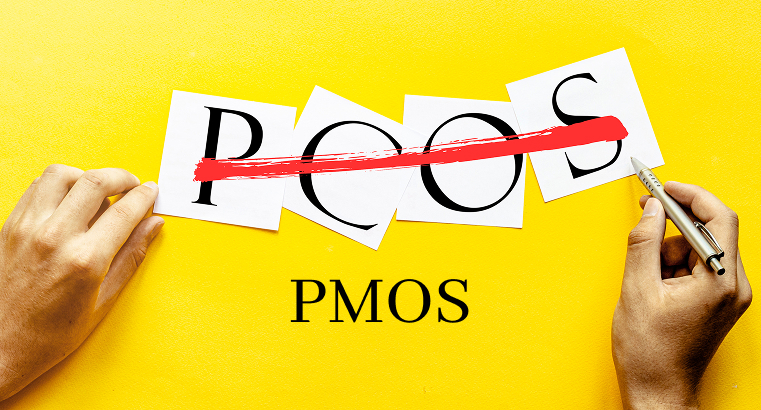
PCOS (now called PMOS) is a condition that affects about 10% of women of reproductive age.
It is characterized by irregular ovulation, high levels of androgens (hormones including testosterone) and, in most individuals, some level of insulin resistance.
The old name indicated the problem was ovarian cysts, but many people with the problem do not have any. Moreover, the “cysts” on a scan are usually immature follicles. Also, the diagnosis remains the same and there is no change in the symptoms or treatments.
What The New Name Means
- Polyendocrine: more than one hormone system is involved (not just the ovaries)
- Metabolic: insulin resistance and long-term metabolic health sit at the center.
- Ovarian: the ovaries remain involved, but it is no longer presented as a fertility issue
Why This Matters For Weight
Since the name now refers to metabolism, doctors will want to monitor blood sugar, cholesterol, blood pressure, and weight in addition to your periods.
If you have only been cared for during your cycle, you can ask for these checks. It will take some time before the new term becomes common, and you’ll likely still see the term “PCOS” in clinics and online.
Why Weight Is Harder To Lose With PMOS
Weight gain is a frequent occurrence in PMOS, but not all patients experience it, and it does not always lead to PMOS.
What it does is make the underlying hormone issues worse, and it’s difficult to get out of that vicious cycle without a specific strategy. Two drivers account for the bulk of the trouble.
Insulin Resistance And The Storage Effect
So, the thing is, insulin transports sugar from the blood to the cells.
Insulin resistance occurs when cells don’t respond to insulin, and the body produces more insulin to make up for it. Moreover, it drives the body to store fat, particularly around the belly, and reduces its ability to burn fat.
Besides that, it is also responsible for stimulating the ovaries to produce more androgens, leading to increased acne, hair growth, and irregular periods.
Many lean individuals with PMOS have some degree of insulin resistance. In fact, an estimated 70% of PMOS sufferers have some degree of insulin resistance.
Hunger, Cravings, And Cortisol
Studies suggest people with PMOS may have higher levels of the hunger hormone ghrelin and a weaker fullness response after meals.
Not sleeping well and chronic stress increase cortisol levels, leading to increased belly fat and cravings for sugar and starch. Strong cravings are not a lack of willpower. They are partially hormonal, and willpower alone plans don’t work.
How To Lose Weight With PCOS: Setting Realistic Goals

There is no need for significant weight loss in order to gain benefits.
Studies have demonstrated that weight loss of 5-10% of body weight can enhance ovulation, insulin sensitivity and cholesterol.
For someone weighing 90 kg (200 lb), that is 4.5 to 9 kg (10 to 20 lb).
| Change | Possible benefit |
| 5% weight loss | More regular periods, better insulin sensitivity |
| 5 to 10% weight loss | Improved ovulation and fertility, lower androgen levels |
| 10% or more | Less acne and excess hair growth, better mood and sleep |
| Any sustained loss | Lower risk of type 2 diabetes, fatty liver, and heart disease |
What A Safe Pace Looks Like
So, try setting a safe pace.
For example, aim for about 0.25 to 0.5 kg (0.5 to 1 lb) a week. It is difficult to maintain rapid losses, and they tend to bounce back.
Remember, it’s not a straight path either, as water retention may mask fat loss for a week or two during the cycle. So try to monitor waist size, energy, and regularity of cycling, as well as weight, as these are likely to change first.
Lean PMOS And Weight
If you are at a healthy weight, the aim isn’t to lose weight. Emphasize insulin sensitivity, muscle, sleep and stress, which still help symptoms. Avoid losing weight from a healthy weight to cure the condition.
Eating Strategies That Work For PMOS
There is no one “PMOS diet” that has been proven to work best. There are a number of ways to do this as long as they increase insulin response and are maintained.
The common denominator is consistent blood sugar, adequate protein and fibre and less ultra-processed food.
| Approach | How it helps | Practical tip |
| Low glycemic index (low-GI) eating | Slows sugar absorption, reduces insulin spikes | Swap white bread and rice for oats, legumes, and whole grains |
| Mediterranean-style diet | Anti-inflammatory; linked to better insulin and cholesterol | Build meals around vegetables, fish, olive oil, and nuts |
| Higher protein, higher fiber | Increases fullness, steadies blood sugar | Include protein at every meal |
| Moderate carbohydrate reduction | Can lower insulin and aid weight loss | Cut refined carbs, not all carbs |
| Calorie-controlled eating | Needed for weight loss, whichever style you choose | A modest deficit of roughly 300 to 500 calories |
Build Meals To Steady Blood Sugar
A simple plate method works well: half vegetables, a quarter lean protein, and a quarter slow-digesting carbohydrate, with a little healthy fat. Eating carbohydrates alongside protein and fiber blunts the sugar spike. A protein-rich breakfast can reduce cravings later in the day.
How To Lose Weight With PCOS Without Extreme Dieting
Extreme diets, fasting, and eliminating food groups often have a rebound effect. They can increase cortisol, induce binge eating and lower metabolism.
Restrictive rules should be used with caution for people with PCOS, as they are also at increased risk of disordered eating. Slow and steady wins the race and is better to be kept for years than a strict plan that is abandoned in a month.
When food becomes a problem, or you see bingeing or restricting, talk to your doctor or dietitian.
Foods That Help And Foods To Limit
| Category | Foods | Why |
| Helpful | Non-starchy vegetables, berries, beans, lentils, fish, eggs, nuts, seeds, avocado, olive oil, and whole grains such as oats and quinoa | Supports steady blood sugar and provides essential nutrients |
| Limit | Sugary drinks, sweets, white bread, pastries, fried food, and processed snacks | Causes the biggest insulin spikes |
You don’t need to ban anything. Cutting back on liquid sugar makes the largest difference, and alcohol adds calories and disrupts sleep, so keep it modest.
Exercise That Helps With PMOS
Exercise is particularly beneficial because it increases insulin sensitivity, even if the pounds don’t budge. Strength and cardio are better together than either alone.
The general guidelines are at least 150 minutes of moderate activity per week and strength training two times per week.
| Type | Examples | Why It Helps |
| Strength training | Weights, resistance bands, bodyweight moves | Builds muscle, which uses more sugar and raises resting metabolism |
| Moderate cardio | Brisk walking, cycling, swimming | Lowers insulin resistance and supports heart health |
| High-intensity intervals | Short bursts of hard effort | Time-efficient, if tolerated |
| Gentle movement | Yoga, Pilates, stretching | Lowers stress and cortisol |
| Daily steps | 7,000 to 10,000 steps | Adds up without extra strain |
Why Strength Training Deserves Priority
Muscle is the body’s main sugar sink. Building it improves how well your body handles carbohydrates, and it preserves lean mass while you lose fat. Two or three short sessions a week are enough to start. Begin with light weights and good form, and progress slowly.
Avoid Overtraining
More is not always better. Very intense daily workouts combined with a low-calorie diet can raise cortisol, disrupt periods, and stall progress. If you feel exhausted, sleep poorly, or lose your period, scale back.
Sleep, Stress, And Lifestyle Factors
Sleep and stress affect weight as much as food does.
In fact, sleep apnea is also much more common in people with PMOS, and it worsens insulin resistance, so ongoing tiredness deserves checking.
Prioritize Sleep
Aim for seven to nine hours. Short sleep raises hunger hormones and cravings and worsens blood sugar control the next day. Keep a regular bedtime, avoid screens and caffeine late in the evening, and keep the room cool and dark. If you snore loudly or wake unrefreshed, ask about a sleep study.
Manage Stress
Chronic stress keeps cortisol high, which favors belly fat and sugar cravings. Walking outdoors, breathing exercises, yoga, and time with friends all help. Therapy is useful if anxiety or low mood is part of the picture, as both are more common with PMOS.
Medical Options That Can Support Weight Loss
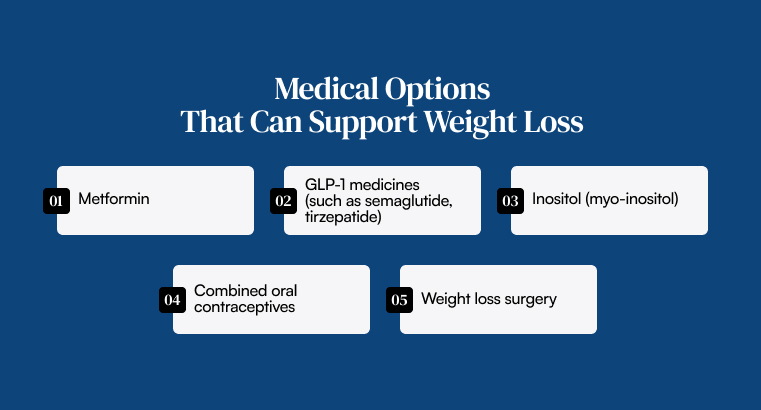
While lifestyle is the base, it is not the only tool, and needing more help is not a failure. There are a number of treatments that can help with insulin resistance and weight.
Talk to a doctor about them. In this way, they can compare them to your symptoms and goals.
| Option | What It Does | Points To Know |
| Metformin | Improves insulin sensitivity | May help modestly with weight and cycles; can cause stomach upset |
| GLP-1 medicines (such as semaglutide, tirzepatide) | Reduce appetite and support significant weight loss | Prescribed for obesity or overweight with risk factors; avoid in pregnancy |
| Inositol (myo-inositol) | Supplement that may improve insulin sensitivity and ovulation | Evidence is modest; speak to your doctor first |
| Combined oral contraceptives | Regulate cycles and reduce androgen symptoms | Do not treat insulin resistance or cause weight loss |
| Weight loss surgery | For severe obesity | Can improve PCOS markedly; considered after other approaches |
Treating Related Conditions
PMOS can be associated with underactive thyroid, sleep apnea, depression and high cholesterol, which can make weight loss more difficult.
A doctor can test thyroid function, blood sugar, cholesterol, and vitamin D levels. Moreover, once these are treated, a hidden obstacle is often removed.
A Sample Day For Steady Weight Loss
This is an example, not a prescription, but it shows how the principles fit into real life.
| Time | Example |
| Breakfast | Scrambled eggs with spinach and whole-grain toast, or Greek yogurt with berries and chia |
| Mid-morning | A handful of nuts and an apple |
| Lunch | Grilled chicken or chickpea salad with olive oil and quinoa |
| Afternoon | Veggie sticks with hummus, plus a walk |
| Dinner | Baked salmon, roasted vegetables, and a small portion of brown rice or sweet potato |
| Movement | 30 minutes of brisk walking most days, strength training two to three days a week |
Common Mistakes To Avoid
Cutting calories too low is the biggest one, since it slows metabolism and triggers rebound eating.
Another is to use the scale alone, as water and cycle changes can hide fat loss. Going without meals results in overeating in the evening, and cardio without strength training results in the loss of muscle as well as fat.
Lastly, “detox” teas and supplements for PMOS are not very effective and can be harmful, so consult your pharmacist or doctor before taking them.
When To See A Doctor
If you have irregular or no periods, excess hair growth, severe acne, or trouble getting pregnant, see a doctor. On the other hand, if you have gained weight quickly or have not lost weight after trying for 3-6 months, request an evaluation.
A dietitian who is knowledgeable about PMOS can tailor the plan to the individual.
In case you experience severe pelvic pain, bleeding that requires a pad to be changed within one hour, or sudden shortness of breath or chest pain, seek urgent care.
In another case, if you find yourself experiencing excessive thirst, urination, or fatigue, talk to your doctor right away, as these symptoms may indicate diabetes. Conversely, if food and weight begin to become your primary focus, seek medical advice.
Learning how to lose weight with PCOS, now properly called PMOS, is less about doing more and more about doing the right things consistently. This includes:
- Steady blood sugar
- Muscle-building movement
- Enough sleep
- Medical support when needed.
Little things can make a big difference, and a small loss can make a big difference in how you feel and how your body functions. Thus, pick one or two habits and add more from there after a few weeks.
Disclaimer: The information provided in this article is for general informational purposes only. It does not, and is not intended to, constitute medical or health advice. Please consult a qualified healthcare professional for medical guidance or expert health assistance.
References
- French, M. (2023, April 26). PMOS and obesity: The relationship explained. Medicalnewstoday.Com; Medical News Today.
- Cleveland Clinic. (2024, February 21). Can PMOS Cause Weight Gain? Cleveland Clinic.
- Chan, J. L., Masini, I., & Pisarska, M. D. (2026). Polyendocrine metabolic ovarian syndrome (PMOS)/polycystic ovary syndrome (PCOS): Current and future trends. The Journal of Clinical Investigation, 136(12), e202824. PubMed Central.
- Hazlehurst, J. M., Singh, P., Bhogal, G., Broughton, S., & Tahrani, A. A. (2022). How to manage weight loss in women with obesity and PCOS seeking fertility? Clinical Endocrinology, 97(2), 208. PubMed Central.
- PMOS Diet. (2026, July 14). Johns Hopkins Medicine.
What is your reaction?