 By
Walk into any gym in Bangalore, scroll through a fitness thread in Mumbai, or even try raiding your grandfather’s Ayurvedic medicine cabinet. Each time you may run into the exact same recommendation.
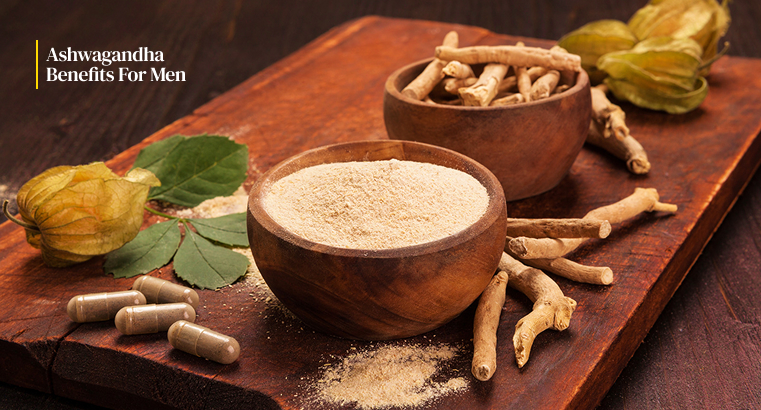
Ashwagandha
For centuries, this humble root sat quietly in traditional Indian households. Usually, it might be stirred into warm milk before bed to calm frayed nerves and restore lost vigor.
However, today, supplement brands market it as an overnight miracle pill, which is capable of turning exhausted office workers into Greek gods.
The truth sits somewhere in the middle. Now, you see, modern clinical research has finally caught up with ancient Ayurveda. This proves that the ashwagandha benefits for men are genuinely impressive.
But, of course, that is provided you understand how the herb actually interacts with male physiology.
Remember, it will not transform your physique while you sit on the couch scrolling on your phone. Yet, when you pair this with decent sleep and regular movement, this adaptogenic powerhouse can help in a wide variety of ways.
So, let us strip away the marketing noise and examine what the science really says.
Health Snapshot:
• May boost natural testosterone levels by up to 15% in stressed or aging men
• Enhances sexual desire, though clinical proof for curing erectile dysfunction remains weak
• Supports measurable gains in bench press strength and muscle size alongside lifting
• Reduces post-workout muscle soreness and exercise-induced inflammation
• Lowers serum cortisol (the primary stress hormone) without sedative grogginess
• Promotes deeper, more restorative sleep cycles within the first two weeks
• Clinical trials show significant jumps in sperm count, volume, and motility over 90 days
• Standard daily dose is 300 mg to 600 mg of standardized root extract (5% withanolides) daily
What Is Ashwagandha? Does It Function Differently For Men?
Let us first understand what ashwagandha is.
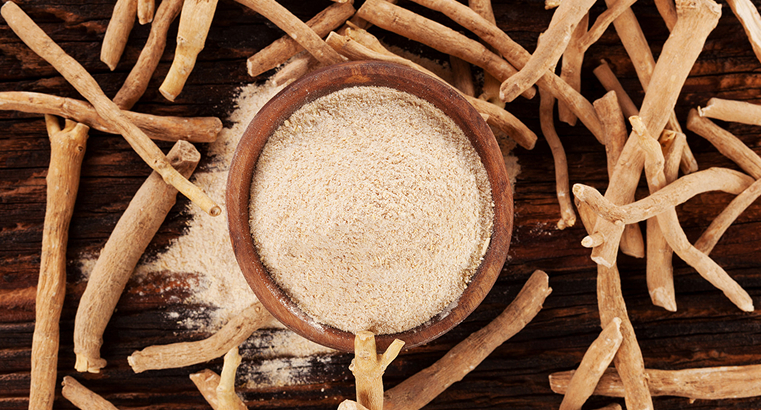
Botanically known as Withania somnifera, and affectionately dubbed as “India ginseng,” ashwagandha is a small woody shrub native to India and North Africa.
In Sanskrit, the word roughly translates to “smell of a horse.” This is a nod both to the earthy aroma of its fresh roots and the traditional belief that its consumption helps improve equine strength and stamina.
Finally, pharmacologically, it belongs to a rare class of botanicals that are known as adaptogens. These are actually the natural compounds that help the human body resist physical, chemical, and biological stressors by nudging erratic systems back toward equilibrium.
The Therapeutic Punch And The Male Angle
So, the thing about ashwagandha is that its therapeutic punch comes from bioactive steroidal lactones concentrated primarily in roots, known as withanolides. Both men and women benefit from these compounds.
However, ashwagandha interacts with male biochemistry in a uniquely targeted way through what endocrinologists often view as the cortisol-testosterone seesaw.
In the male body, cortisol and testosterone share raw hormonal building blocks. When you are trapped in chronic stress, your adrenal glands pump out cortisol around the clock.
This stressful loop includes juggling relentless deadlines, traffic, poor sleep, and financial pressure. But because survival always outranks reproduction in human biology, elevated cortisol actively suppresses testosterone synthesis.
So, by blunting excessive cortisol release, ashwagandha removes the biochemical handbrake holding your natural hormone production back.
Seven Science-Backed Ashwagandha Benefits For Men
Now, while traditional healers prized this root as an all-purpose rejuvenator, modern clinical trials have pinpointed exactly where it moves the needle for male physiology.
Instead of targeting a single isolated symptom, ashwagandha works upstream on stress hormones, cellular energy, and systemic inflammation.
Here is how those biochemical shifts translate into tangible, real-world advantage for men.
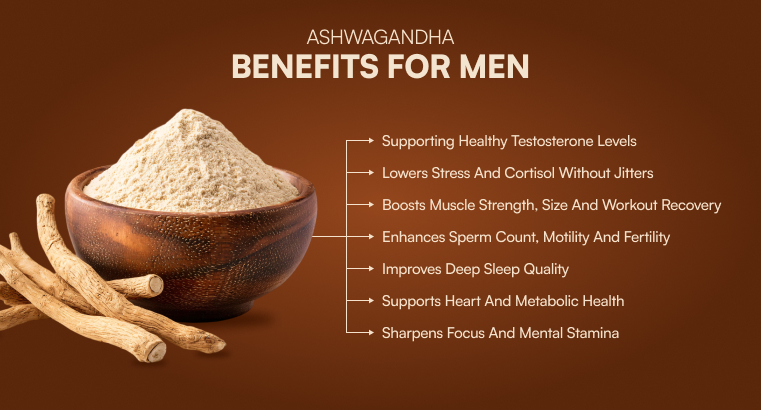
Ashwagandha Benefits for Men: At a Glance
| Benefit Area | How It Works | Key Clinical Takeaway |
| Testosterone Levels | Reverses stress-induced hormonal sluggishness and supports DHEA precursors | Up to a 15% increase in testosterone over 8 weeks in fatigued men |
| Muscle and Gym Recovery | Enhances muscle adaptation and lowers creatine kinase (tissue damage) | Greater bench press/leg strength and faster post-workout recovery |
| Male Fertility | Neutralizes free radicals in seminal plasma to protect reproductive cells | 167% jump in sperm count, 53% in volume, and 57% in motility (90 days) |
| Stress and Anxiety | Reduces serum cortisol without acting as a harsh sedative | Lower daily irritability and calmer stamina without caffeine crashes |
| Sleep Quality | Quiets an overactive nervous system to promote slow-wave rest | Faster sleep onset and deeper recovery with zero morning grogginess |
| Focus and Memory | Crosses the blood-brain barrier to shield neurons from oxidative stress | Sharper reaction time, attention switching, and immediate recall |
| Metabolic and Heart Health | Reduces systemic inflammation to support glucose and oxygen uptake | Better insulin sensitivity and modest improvements in cardio VO2 max |
Supporting Healthy Testosterone Levels
Did you know? Testosterone governs far more than muscle mass. In fact, it dictates your morning drive, mood stability, bone density, and metabolic rate.
After you turn thirty, male testosterone naturally starts to dip by roughly 1% each year, and chronic stress accelerates this slide.
Clinical research indicates that ashwagandha can help you reverse stress-induced hormonal sluggishness.
In a notable eight-week crossover trial involving overweight men aged 40 to 70 experiencing mild fatigue, daily supplementation with a standardized ashwagandha extract led to a 15% increase in testosterone along with higher levels of DHEA, a vital hormone precursor.
Also, it does not push hormones to unnatural extremes like synthetic steroids. However, it reliably restores baseline vitality.
Boosts Muscle Strength, Size And Workout Recovery
If you lift weights, ashwagandha earns its spot next to your whey protein and creatine.
Instead of acting like a caffeine-loaded pre-workout that artificially spikes your heart rate, it improves how efficiently your muscles adapt to mechanical tension.
In a controlled resistance-training study on young men, those who took ashwagandha root extract for eight weeks achieved significantly greater increases in bench press. Not only that, but they also were able to have better leg-extension strength compared to the placebo group.
Even better, it has been seen that their blood markers showed substantially lower levels of creatine kinase. This is a clear indicator of reduced muscle tissue damage. As a result, they were able to bounce back faster between brutal training sessions.
Enhances Sperm Count, Motility And Fertility
Male factor infertility has quietly become a pressing concern across urban India, driven heavily by oxidative stress, sedentary desk jobs, and environmental toxins.
Ashwagandha has been prescribed in Ayurveda as a Vajikarana (reproductive tonic) for millennia, and modern trials back this reputation.
According to a clinical investigation that evaluated infertile men over a 90-day period, full-spectrum root extract increased sperm concentration by an astonishing 167%. Not only that, but the findings also reported a boosted semen volume by 53% and improved sperm motility by 57%.
By neutralizing free radicals in seminal plasma, the herb protects delicate reproductive cells from oxidative damage.
Lowers Stress And Cortisol Without Jitters
A majority of men rely on three cups of strong chai or black coffee just to survive afternoon brain fog, inadvertently trapping themselves in a cycle of wired exhaustion.
In fact, ashwagandha offers calm, sustainable stamina.
Multiple double-blind clinical trials have confirmed that consistent supplementation significantly reduces serum cortisol levels. Besides that, it also plays a key role in lowering scores on standardized stress and anxiety assessments.
That does not mean you would feel sedated or numb. Instead, the sharp edges of daily irritability soften, leaving you noticeably more composed under pressure.
Improves Deep Sleep Quality
Have you noticed the species name? It is somnifera, which literally means sleep-inducing in Latin.
Poor sleep is the fastest way to tank your testosterone and wreck your focus. In fact, as per clinical data, it has been demonstrated that ashwagandha helps men fall asleep faster. Moreover, they can spend more time in deep, slow-wave sleep stages.
Unlike over-the-counter sleeping pills that knock you out artificially and leave you groggy at dawn, this root quiets an overactive nervous system. In this way, your brain transitions smoothly into natural rest.
Sharpens Focus And Mental Stamina
Brain fog is rarely a sign of aging alone. Usually, it is neuro-inflammation paired with mental burnout. Since ashwagandha crosses the blood-brain barrier while exhibiting potent antioxidant activity, it shields neurons from stress-induced wear and tear.
Studies that examine cognitive performance show measurable improvements in reaction time, task-time switching attention, and immediate memory recall. This makes it particularly valuable for men who work high-cognition jobs.
Supports Heart And Metabolic Health
Beneath the surface, chronic inflammation quietly erodes insulin sensitivity and blood vessel elasticity.
Preliminary human and animal studies suggest that ashwagandha helps in regulating fasting blood glucose levels while improving cellular insulin sensitivity.
Furthermore, it offers preventative metabolic support for men who are prone to midsection weight gain.
How To Take Ashwagandha: Forms, Dosage And Best Time
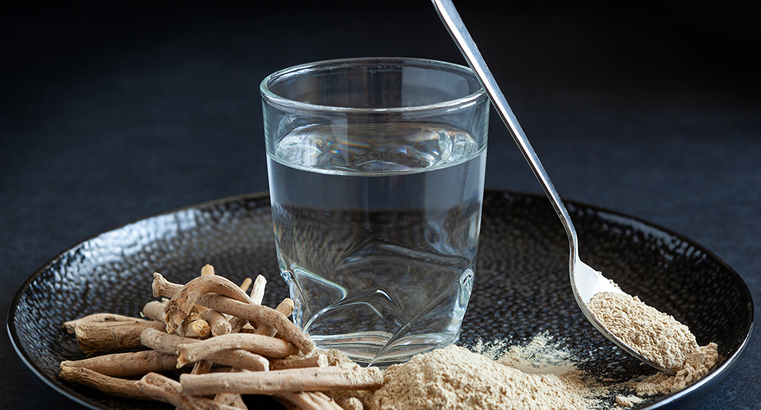
Walking down a pharmacy aisle or browsing online marketplaces can feel overwhelming because ashwagandha comes in vastly different preparations.
Choosing the right form depends entirely on your lifestyle and tolerance for earthy flavors.
| Supplement Form | Typical Daily Dose | Best Time to Take | Ideal For |
| Standardized Root Capsules | 300 mg-600 mg | Morning (energy) or Night (sleep) | Consistent, precise clinical dosing without bitter taste |
| Raw Root Powder (Churna) | 3 g-6 g (1-2 tsp) | Before bed with warm milk or water | Traditionalists who prefer whole, unprocessed herbs |
| Liquid Extracts / Tinctures | 1 ml-2 ml (check label) | Split into morning and evening doses | Fast absorption and flexible micro-dosing |
| Ashwagandha Gummies | 300 mg-500 mg | Afternoon or evening | Beginners who dislike swallowing pills (watch added sugar) |
What To Actually Expect: A Realistic 8-Week Timeline
Patience separates men who see real results from those who quit on day four. So, since adaptogens remodel hormonal and neural pathways on a gradual basis, benefits tend to unfold in distinct phases.
| Timeframe | What Happens Inside Your Body | Noticeable Real-World Shifts |
| Days 1-14 | • Cortisol spikes begin to level out • GABA pathways calm neural overactivity | • Deeper sleep, easier wake-ups • Less reactive irritability during stressful moments |
| Weeks 3-4 | • Baseline inflammation drops • Cellular energy production stabilizes | • Steadier afternoon stamina without extra caffeine • Sharper mental focus at work. |
| Weeks 6-8+ | Free testosterone and reproductive markers reach optimal steady states | • Heavier lifts in the gym, faster post-workout recovery • Improved libido |
3 Common Myths About Ashwagandha For Men
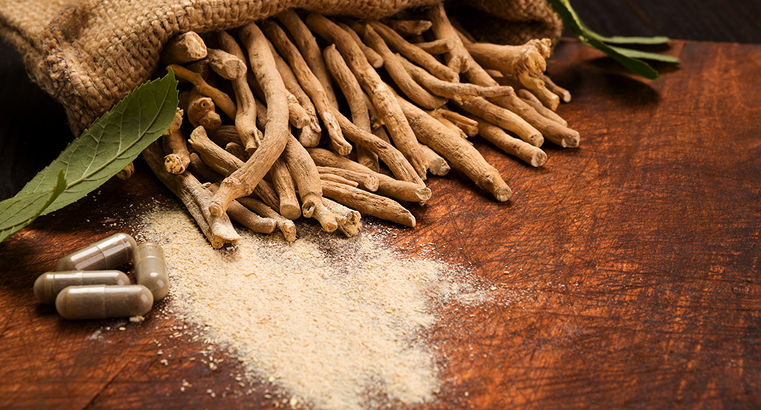
Whenever an ancient Ayurvedic remedy goes viral on fitness social media, exaggerated claims inevitably follow. Supplement companies love to stretch preliminary lab findings into bold promises on product labels.
As a result, this leaves many men disappointed when reality fails to match the hype.
Separating clinical facts from locker-room folklore ensures you invest your money wisely while setting realistic expectations before taking your first dose.
Myth 1: It Works Like A Fast-Acting Erectile Dysfunction Pill
Marketing banners love to imply that ashwagandha acts as a natural Viagra. However, the fact is, they do not do so.
In fact, prescription ED medications work mechanically by flooding blood vessels with nitric oxide within an hour. Ashwagandha has zero immediate vasodilating effect, and clinical studies show it offers little direct benefit for psychogenic or vascular erectile dysfunction.
Instead, it will restore libido (desire) over several weeks by fixing stress and supporting testosterone.
Myth 2: Higher Doses Build Muscle Twice As Fast
The fact is, more is rarely better when it comes to herbal pharmacology. Clinical studies suggest a sweet spot squarely between 300mg and 600mg of concentrated root extract daily.
So, when you double or triple that dose, it will not accelerate muscle hypertrophy. Instead, it will simply irritate your gastrointestinal tract, sending you running to the bathroom.
Myth 3: You Will Feel A Surge Of Energy Like Pre-Workout
If you swallow an ashwagandha capsule expecting a tingling caffeine rush twenty minutes later, you will be disappointed.
It is a non-stimulant modulator, where the magic lies in what stops happening. That is, fewer afternoon crashes, less anxiety, and smoother physical endurance.
Possible Side Effects, Buying Smart And The Ultimate Verdict: What Should You Do?
For most healthy men, ashwagandha is remarkably well-tolerated when taken within recommended limits. However, exceeding 1,250 mg daily can trigger mild digestive upset, nausea, loose stools, or unwanted daytime drowsiness.
Certain men should avoid it entirely unless cleared by a physician. Because ashwagandha can stimulate thyroid hormone synthesis, men with hyperthyroidism must steer clear.
Similarly, because it activates immune cell activity, individuals managing autoimmune conditions like rheumatoid arthritis or lupus, as well as men taking prescription medications for blood pressure, diabetes, or clinical sedatives, need medical supervision before starting.
Rare cases of liver stress have also been linked to contaminated, unregulated herbal blends.
When shopping in India, quality control is non-negotiable. Look for an FSSAI license number, GMP (Good Manufacturing Practices) certification, and clear labeling confirming a 100% root extract standardized to 5% withanolides without proprietary filler blends or heavy metal risks.
Disclaimer:
The information provided in this article is for general informational purposes only. It does not, and is not intended to, constitute medical or health advice. Please consult a qualified healthcare professional for medical guidance or expert health assistance.
References
- Wiciński, M., Fajkiel-Madajczyk, A., Kurant, Z., Kurant, D., Gryczka, K., Falkowski, M., Wiśniewska, M., Słupski, M., Ohla, J., & Zabrzyński, J. (2023). Can Ashwagandha Benefit the Endocrine System?—A Review. International Journal of Molecular Sciences, 24(22), 16513. PubMed Central.
- Fraile-Martínez, Ó., Ortega, M. A., & García-Montero, C. (2026). Understanding the Secular Decline in Testosterone: Mechanisms, Consequences, and Clinical Perspectives. International Journal of Molecular Sciences, 27(2), 692. PubMed Central.
- Mikulska, P., Malinowska, M., Ignacyk, M., Szustowski, P., Nowak, J., Pesta, K., Szeląg, M., Szklanny, D., Judasz, E., Kaczmarek, G., Ejiohuo, O. P., Paczkowska-Walendowska, M., Gościniak, A., & Cielecka-Piontek, J. (2023). Ashwagandha (Withania somnifera)-Current Research on the Health-Promoting Activities: A Narrative Review. Pharmaceutics, 15(4), 1057. PubMed Central.
- Babu, A., Kini, R. D, Kumar, N. A., Gokul, M., Blossom, V., Sreerag P, S., & Nayak, S. (2026). Antioxidant and Neuroprotective Potential of Ashwagandha In Aluminum-Induced Toxicity. Pharmacognosy Journal, 17(6), 336–341. Pharmacognosy Journal.
What is your reaction?