 By
By When it comes to topics surrounding sexual health and activity, precum is something that has a lot of mystery and confusion around it.
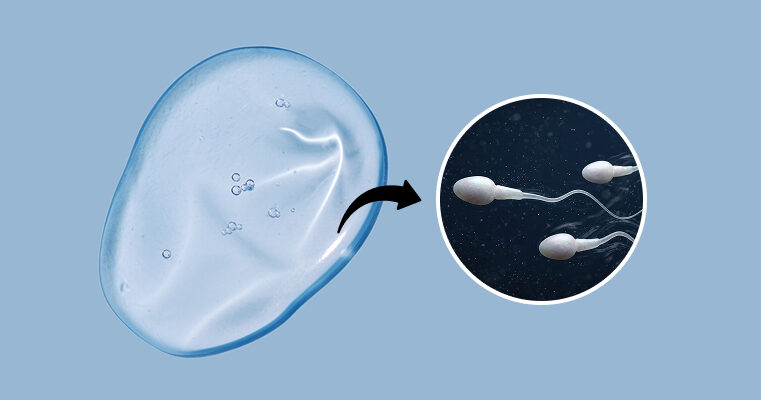
It is common for people to wonder one thing about this fluid: is there sperm in precum?
Understand this. Precum itself does not have any sperm. However, it can still pick up living sperm that is left behind in the urethra from a previous ejaculation.
While precum doesn’t always contain sperm, studies suggest that it can in some cases, meaning there could be a risk of pregnancy.
In fact, as of early 2025, very few studies have examined sperm content in precum.
So, what exactly does this fluid even contain? To clear up this confusion, let us dive deep into its chemical composition, overall functions, and common myths.
What Is Precum? When Does A Man Produce It?
Before we can understand “is there sperm in precum?” we have to first know what it is.
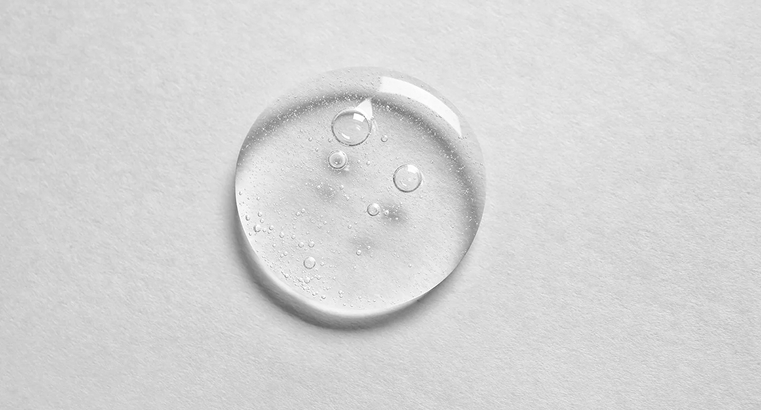
Precum, or pre-ejaculate fluid, is a clear, slippery fluid that leaves the tip of the penis during sexual arousal before full ejaculation.
It is described as clear, odorless, colorless, and a viscous, sticky fluid.
Precum is actually a colloquial term. It is an entirely natural biological response meant to prepare the body for sexual intercourse and ejaculation.
Unlike semen, which is produced by the testes, prostate, and seminal vesicles, precum is primarily secreted by the Cowper’s glands or bulbourethral glands.
These are two pea-sized glands, which are located just below the prostate.
How Much Sperm Does Precum Have?
Pre-ejaculatory fluid itself does not contain sperm. However, it can pick up residual sperm that is left behind in the urethra from a previous ejaculation.
Urinating beforehand may reduce this risk, but it does not clear all sperm.
When sperm is present in precum, the quantity is usually very low, which is often zero.
Moreover, it rarely reaches high concentrations.
Regular semen contains tens of millions of sperm cells.
On the other hand, samples that do contain sperm in precum typically show far fewer than 1 million to 5 million active swimmers per milliliter.
Research shows mixed rates. Some studies find sperm in about 13% to 41% of precum samples, while others find lower or inconsistent amounts.
How Much Precum Can A Man Produce
Typically, a man produces between a few drops and up to 5 milliliters, which is about one teaspoon, of precum during sexual arousal.
The exact volume differs from person to person, and some men produce a noticeable amount. On the other hand, others produce very little or none at all.
A person has no control over how much or how little precum their body makes.
Is It Harmful?
Precum itself is a normal, natural bodily fluid and is not harmful to your health. However, it does carry certain risks during sexual activity.
While the fluid produced by the Cowper’s glands does not naturally contain sperm, precum can pick up residual sperm left in the urethra from a previous ejaculation.
Studies have also found active sperm in precum samples for some men. This means the withdrawal (“pull-out”) method is unreliable and can lead to pregnancy.
Moreover, precum can transmit viruses and bacteria that cause sexually transmitted infections (STIs).
For example, diseases such as HIV, chlamydia, and gonorrhea can be transmitted if an infected partner carries them.
Does Precum Have Sperm? A Breakdown Of Its Chemical Composition
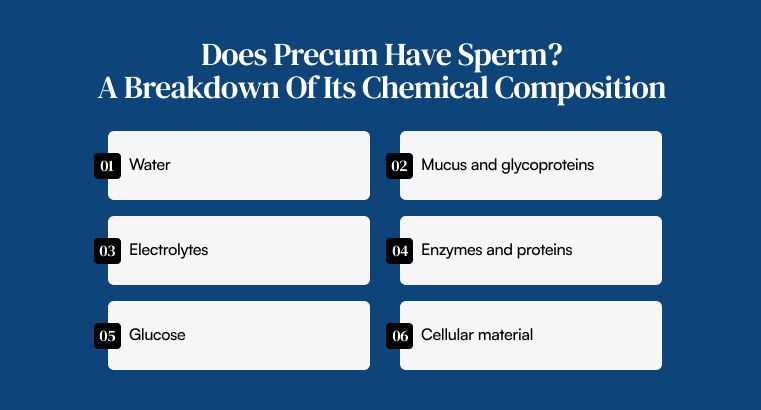
Precum does not originate with sperm, but can pick up the residual sperm from a previous ejaculation.
Precum: Composition At A Glance
| Main Chemical Components | Amount Present | Function |
| Water | Makes up the vast majority | Acts as a base solvent |
| Mucus and glycoproteins | Provide the sticky, viscous, and gel-like texture | Provide the sticky, viscous, and gel-like texture that helps lubricate the urethra and reduce friction |
| Electrolytes | Contains minerals like sodium, potassium, and calcium | Help maintain an optimal cellular and pH environment |
| Enzymes and proteins | Includes specific acid-neutralizing proteins and acid phosphatase, though other standard semen markers (like gamma-glutamyltransferase) are typically absent | Specific proteins and enzymes secreted primarily by the Cowper’s glands to prepare the reproductive tract for sperm |
| Glucose | Present in trace amounts | Present as an energy source |
| Cellular material | Can occasionally contain small amounts of leukocytes (white blood cells) and individual epithelial cells | Do not serve an active physiological function within the fluid itself; their presence is simply a byproduct of the fluid flushing through the urethral tract. |
Water
Water makes up the majority of precum, acting as the main base of the fluid. The composition of water is what forms the bulk of the fluid.
As a result, it has a thin, clear, and slippery texture.
Water, along with mucus present in precum, acts as a natural lubricant to reduce friction during sexual activity.
Mucus And Glycoproteins
Mucus and glycoproteins in precum also play a role in giving it its unique slippery texture, allowing it to perform essential reproductive functions.
The gel-forming mucin glycoproteins absorb large amounts of water, creating a highly viscous, slick fluid. This lubricates both the lining of the urethra and the glans penis to facilitate intercourse.
Urine leaves an acidic residue in the male urethra, and the female vaginal tract is also naturally highly acidic.
Both of these are hostile environments for sperm.
The glycoproteins and alkaline properties of precum help neutralize this acidity, creating a safe pathway for sperm to survive
Electrolytes
Precum contains trace amounts of key electrolytes like sodium, potassium, and calcium.
Additionally, they help maintain the chemical and pH balance necessary for sperm survival.
- Sodium and Potassium: Present in small amounts to help regulate the fluid’s balance and match the osmotic environment required by reproductive cells.
- Calcium: Helps support cellular functions and plays a role if any sperm cells are present.
- Acid Neutralization: Working alongside enzymes and mucus, these electrolytes help neutralize residual acidity in the urethra caused by urine, creating a safer pathway for sperm transport.
Enzymes And Proteins
Pre-ejaculatory fluid contains specific proteins and enzymes primarily secreted by the Cowper’s glands and the glands of Littre.
Alkaline enzymes and proteins in precum neutralize residual acidic urine in the male urethra.
As a result, this creates a safe, neutral-to-alkaline passage for sperm. The proteins and electrolytes help optimize the pH balance to support potential sperm survival as the fluid travels.
Glucose
There is a natural composition of glucose in precum, along with simple sugars such as galactose.
This fluid is primarily produced by the bulbourethral glands and the glands of Littre. Moreover, its composition is heterogeneous, meaning it has a mix of water, electrolytes, enzymes, sugar, etc.
Glucose serves as an immediate, local energy source for any active cells or stray spermatozoa traveling through the reproductive tract.
Besides, it helps clear the urethra of residual, acidic urine, creating a safer, alkaline environment for sperm to survive if ejaculation occurs.
Does Glucose In Precum Change With Medical Conditions?
Systemic changes in how your body handles sugar (such as in poorly managed diabetes or insulin resistance) can alter the biochemical makeup of various bodily fluids, including reproductive secretions.
However, fluctuations in blood sugar do not heavily shift the functional purpose of glucose within precum itself.
Sperm In Precum
While it is much less concentrated than in semen, precum can also include a few sperm cells.
This all depends on how recently a man had ejaculated.
Cellular Material
Apart from water, mucus, and alkaline enzymes produced by the Cowper’s glands. However, it also has a heterogeneous cellular composition.
This means that it contains several types of living cells. The primary cellular materials found in precum include epithelial cells, spermatozoa (sperm cells) and leukocytes.
Epithelial Cells
These cells are surface cells that naturally slough off from the lining of the urethra. Epithelial cells do not serve an active physiological function within the fluid itself.
Instead, their presence is simply a byproduct of the fluid flushing through the urethral tract.
However, from a medical and forensic standpoint, these cells shed high amounts of host DNA. Consequently, precum is a highly viable fluid for forensic matching and profiling.
Spermatozoa: Sperm Cells
Spermatozoa are the male reproductive cells that carry genetic material. While the Cowper’s glands do not produce sperm, motile sperm cells can contaminate precum as it moves down the urethra.
This occurs because residual sperm from a previous ejaculation may still be lingering in the tract, or minor leakage may happen during high arousal.
Studies show that about 40% of men have motile sperm present in their pre-ejaculatory fluid.
Because of this cellular material, precum can cause pregnancy, making the withdrawal (pull-out) method highly unreliable for birth control.
Leukocytes: White Blood Cells
Precum has leukocytes, which are immune system cells that are regularly present in low numbers within bodily secretions.
They serve a protective role, helping to clear out localized bacteria or pathogens present in the urethral tract.
If a person has a sexually transmitted infection (STI), leukocytes and viral/bacterial particles will be present highly concentrated in this fluid.
As a result, this allows diseases like HIV, chlamydia, and gonorrhea to be transmitted via precum.
Non-Cellular Components that Support Cell Survival
While the cells themselves are listed above, the chemical “environment” of precum is intentionally built to keep cells (specifically sperm) alive.
It contains mucus for physical lubrication, and alkaline electrolytes (like sodium and calcium) to neutralize the acidic residues of urine.
Without this alkaline neutralizing function, the highly sensitive sperm cells would immediately die upon ejaculation.
Myth Vs Medical Fact: Debunking Common Misconceptions On Precum

There are numerous misconceptions surrounding precum. Thus, it is necessary for you to understand the facts.
Myth 1: Precum Never Contains Sperm
Pure fluid from the Cowper’s glands does not natively contain sperm. However, studies show that live motile sperm can mix into precum.
This happens either from residual sperm left in the urethra from a previous ejaculation or released during arousal.
Myth 2: You Can Control When Precum Is Released
The release of precum by your body is an involuntary function. Moreover, it cannot be controlled consciously.
When a man is sexually aroused, his body releases this fluid automatically without conscious control. You may not always feel it as it is released, especially during sexual activity.
Myth 3: The “Pull-Out” Method Is Effective
While the pull-out or withdrawal method does work in preventing pregnancy, it is less reliable than other types of birth control.
There are two cases of effectiveness: perfect use and typical use.
In perfect use, about 4 out of 100 people will get pregnant in a year, making it 96% effective.
Whereas in typical use, or in real life, timing can be hard. About 22 out of 100 people get pregnant in a year (roughly 1 in 5).
Thus, it is always better to use better contraception methods such as condoms or birth control pills.
Myth 4: Pulling Out Prevents STIs
The most common myth around precum is that pulling out prevents STIs. However, it does not protect against them.
STIs like herpes, human papillomavirus (HPV), and syphilis spread through contact with infected skin or sores, which happens even without ejaculation.
Infections like HIV, chlamydia, and gonorrhea can spread through pre-ejaculatory fluid (precum) and vaginal secretions.
Unlike condoms, withdrawal leaves genitals completely exposed to infectious fluids and contact.
When To Consult A Doctor

While pre-ejaculate fluid is clear, odorless, and painless during sexual arousal, you should seek medical attention if you notice:
- Burning, pain, or discomfort during urination or ejaculation
- Fluid that is too cloudy, white, yellow, or foul-smelling
- Pelvic, testicular, or lower abdominal pain
- Blood in your urine or semen
- Systemic signs such as fever, chills or unexplained skin irritation and itching around the area
- Continuous or heavy fluid leakage occurring without any sexual arousal
If you experience persistent or painful symptoms, consider reaching out to a healthcare provider.
For instance, consult a specialist like a urologist for an accurate evaluation and testing.
Disclaimer: The information provided in this article is for general informational purposes only. It does not, and is not intended to, constitute medical or health advice. Please consult a qualified healthcare professional for medical guidance or expert health assistance.
References
- Mayo Clinic. (2025). Sperm: How long do they live after ejaculation? Mayo Clinic.
- Mehta, P. (2026, July 3). What is Pre-Ejaculate? WebMD.
- Patel, J., Nelson, A. L., & Nguyen, B. T. (2024). Low to non-existent sperm content of pre-ejaculate in perfect-use contraceptive withdrawal, a pilot study. Contraception, 140, 110555. ScienceDirect.
- Naknam, N. W., & Naknam, N. W. (2026, February 4). Investigating Conception Risks Associated with Pre-Ejaculate Fluid. Deep & Harmonicare IVF.
- Achinger, L., Kluczynski, D. F., Gladwell, A., Heck, H., Zhang, F., Good, E., Waggoner, A., Reinhart, M., Good, M., Moore, D., Filatoff, D., Dhar, S., Nigro, E., Flanagan, L., Yadav, S., Williams, T., Ray, A., Shah, T. A., & Liberatore, M. W. (2025). The Known and Unknown About Female Reproductive Tract Mucus Rheological Properties. Bioessays, 47(6), e70002. National Library of Medicine.
What is your reaction?